


Table of Contents
Share At:




Listen Article:
0:00 /
0:00
Growing Demand of Veterinary Dialysis for Safe Animal Treatment Across Latin America
Table of Contents
Veterinary dialysis, once a highly specialized therapy confined to elite veterinary clinics, is now emerging as a vital treatment across Latin America. The rise in renal diseases among companion animals, coupled with growing awareness and improved diagnostic technologies, has fueled the expansion of veterinary dialysis services. Countries such as Peru, Venezuela, Chile, Panama and Colombia are experiencing unique patterns of growth, each reflecting localized economic, infrastructural and medical dynamics.
This growing demand requires more than clinical interest – it calls for access to essential components such as veterinary dialysis machines, veterinary dialysis bloodline sets and reliable blood set for veterinary dialysis applications. The convergence of rising patient needs with evolving veterinary practices suggests a new era in Latin American animal healthcare, one where kidney replacement therapies are no longer a rarity but an accessible standard.
From Dialyser to Catheters - All in One Place
Contact Us
Why Is Veterinary Dialysis Gaining Traction in Latin America?
Veterinary dialysis is gaining ground due to multiple interconnected reasons:
- Increased prevalence of renal disorders: Chronic and acute kidney diseases in pets, especially aging dogs and cats, are now more frequently diagnosed due to enhanced laboratory and imaging diagnostics.
- Higher pet ownership rates: Urban centers across Latin America are witnessing a rise in pet adoptions, leading to an increased demand for advanced veterinary care.
- Veterinary training and awareness: As veterinary curricula evolve, more institutions include modules on extracorporeal therapies, including the safe use of nephroxa veterinary dialysis equipment and bloodline sets.
- Medical influence from human nephrology: Familiarity with dialysis in human medicine helps accelerate veterinary adoption, particularly in regions where integrated hospitals share knowledge and resources.
This multidimensional growth is backed by an increasing recognition that dialysis can extend animal life expectancy while improving quality of care.
How Is the Veterinary Dialysis Landscape Developing in Peru?
Peru presents a promising yet nascent market for veterinary dialysis services. The capital, Lima, houses the bulk of referral centers and specialist clinics. While veterinary dialysis machine suppliers are still limited, emerging demand is encouraging some private clinics to import essential equipment independently.
Key observations:
- Pilot procedures using peritoneal dialysis are being attempted in university hospitals.
- There is a growing need for blood set for veterinary dialysis to fit the physiology of smaller animals, especially cats.
Veterinary professionals in Peru may benefit from targeted training programs and strategic partnerships that help reduce the cost barriers to dialysis implementation.
What Are the Challenges and Opportunities for Veterinary Dialysis in Venezuela?
Venezuela’s economic environment poses significant hurdles to widespread veterinary dialysis access. Nonetheless, some private clinics in urban centers like Caracas have managed to acquire refurbished dialysis machines or collaborate with human health facilities.
Notable trends include:
- Use of multi-species veterinary dialysis bloodline sets, adapted from human-use alternatives.
- A focus on cost-efficiency and reusability, given the scarcity of specialized veterinary dialysis equipment.
- Increased interest in education and cross-border collaboration with institutions in Colombia or Chile.
Despite resource limitations, the need for affordable, functional veterinary dialysis solutions continues to grow, emphasizing the importance of low-cost bloodline set for veterinary dialysis.
What Role Does Chile Play in Advancing Veterinary Dialysis Adoption?
Chile stands out as one of the most technically advanced countries in the region regarding veterinary dialysis:
- Leading veterinary hospitals in Santiago and Concepción routinely perform hemodialysis for small animals.
- A well-established network of veterinary dialysis machine suppliers supports clinic-level adoption.
- Clinical staff are trained in the selection and use of veterinary dialysis bloodline sets, ensuring compatibility and safety across species.
There is also a marked interest in research and innovation, including the development of modular veterinary dialysis systems suitable for mobile or regional deployment. There is also a marked interest in research and innovation, including the development of modular veterinary dialysis systems suitable for mobile or regional deployment.
How Is Panama Supporting the Growing Demand for Veterinary Dialysis?
Panama’s geographic and economic positioning makes it an ideal bridge for technological transfer in veterinary medicine:
- Some private clinics partner with international suppliers to access veterinary dialysis equipment, including blood set for veterinary dialysis needs.
- Panama’s reputation as a medical services hub contributes to higher acceptance of advanced therapies, including dialysis for pets.
- Interest in creating mobile dialysis units using compact veterinary dialysis machines is gaining momentum.
The country’s access to logistics infrastructure and foreign-trained professionals, Panama may evolve into a key distribution and training node for veterinary dialysis across Central America.
How Is Veterinary Dialysis Evolving in Colombia?
Colombia represents a fast-developing veterinary market where advanced treatment modalities are gaining traction. Cities like Bogotá, Medellín and Cali have seen a notable rise in the adoption of specialized therapies including veterinary dialysis.
Key developments include:
- The availability of specialized veterinary dialysis equipment sourced from regional or international manufacturers.
- Integration of bloodline set for veterinary dialysis into standard nephrology protocols for small animals.
- Veterinary dialysis machine suppliers expanding into the Colombian market as demand for such devices becomes more widespread.
Colombia is also emerging as a center for clinical training and veterinary education in extracorporeal therapies. With the support of professional associations and veterinary colleges, the country may soon serve as a regional leader in animal renal care.
What Equipment Are Essential for Safe Veterinary Dialysis?
To ensure effective and safe veterinary dialysis, a range of specialized tools and materials must be available. These include:
- Veterinary dialysis machines: Designed or adapted specifically for animal use, considering species-specific requirements such as size, vascular access and blood flow rates.
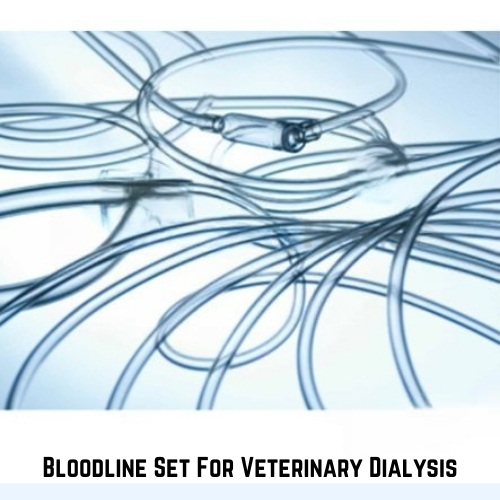
- Veterinary dialysis bloodline sets: These are tubing systems that carry blood between the animal and the dialysis machine. They must be sterile, species-compatible and leak-proof.
- Blood set for veterinary dialysis: Including arterial and venous lines, these sets are critical for maintaining proper extracorporeal circulation and preventing clot formation.
- Dialyzers: Membrane filters used in the dialysis process must match the animal’s size and clinical condition.
- Anticoagulants and monitoring tools: Vital for managing coagulation and monitoring fluid and electrolyte balances.
Choosing the right veterinary dialysis bloodline set and associated supplies is essential not only for treatment success but also for reducing complications and infection risks.
How Do Veterinary Dialysis Bloodline Sets Improve Patient Safety?
Nephroxa Veterinary dialysis bloodline sets are central to the safety and efficacy of the dialysis process. These components ensure:
- Secure blood circulation through the extracorporeal circuit, minimizing leakage and contamination.
- Species-specific sizing, which reduces the risk of vascular trauma in smaller animals like cats or small-breed dogs.
- Compatibility with veterinary dialysis machines, enabling seamless flow dynamics and reduced machine alarms.
Using a properly designed bloodline set for veterinary dialysis helps prevent hemolysis, clot formation or improper treatment delivery – all critical for patient outcomes. These sets are also made from biocompatible materials to reduce immunologic responses.
What Should Clinics Consider When Choosing a Veterinary Dialysis Machine Supplier?
Veterinary dialysis machine suppliers vary in the scope and specialization of their offerings. When evaluating a supplier, clinics should consider:
- Customization options: Machines should be adaptable for different animal sizes and species.
- Availability of consumables: Suppliers should provide compatible bloodline sets, dialyzers and replacement parts.
- Technical support and training: Especially important for clinics new to dialysis, ensuring proper setup and maintenance.
- Certifications and quality standards: Ensure machines comply with international veterinary or medical safety guidelines.
- Scalability: Clinics may start with a single unit but expand over time; a supplier should support growth with modular systems or upgrade paths.
These considerations help ensure long-term reliability and safe treatment delivery.
What Is the Future Outlook for Veterinary Dialysis in Latin America?
The future of veterinary dialysis in Latin America appears promising. As pet ownership increases and veterinary medicine advances, the demand for sophisticated treatments like dialysis is likely to grow.
Expected trends include:
- Broader access to dialysis equipment and bloodline sets, driven by local manufacturing or regional distribution centers.
- Increased training programs to upskill veterinary teams in extracorporeal procedures.
- Public and private sector partnerships to subsidize the cost of veterinary dialysis set equipment in underserved areas.
- Technological innovation, such as compact or portable dialysis units tailored for mobile clinics in rural regions.
As veterinary dialysis becomes more accessible and cost-effective, it may transition from a niche specialty to a mainstream therapeutic option in animal healthcare across Latin America.
Eclusive Dialysis Products For Your Hospital
 CONNECT TODAY
Conclusion
Veterinary dialysis is no longer a distant aspiration – it is rapidly becoming a cornerstone of advanced animal treatment in Latin America. From the urban veterinary hospitals of Chile to emerging clinical hubs in Peru and Panama, the growing demand is reshaping the landscape of veterinary nephrology. The increased use of veterinary dialysis bloodline sets, specialized machines and tailored blood sets ensures safer, more efficient treatments for animal patients.
As infrastructure, awareness and training evolve, countries such as Colombia and Venezuela are also joining the regional movement toward safer, evidence-based renal therapies. Veterinary dialysis equipment, once scarce and unfamiliar, is now becoming integral to clinical practice – supported by a network of suppliers, educators and healthcare professionals committed to improving animal health.
FAQs on Nephroxa Veterinary Dialysis Bloodline Sets
Veterinary dialysis is a treatment for pets with kidney problems. It helps clean their blood by removing waste and extra fluids, similar to how it works in humans.
These bloodline sets are special tubes that carry blood between the pet and the dialysis machine. They help keep everything clean and safe during the treatment.
You can find veterinary dialysis in cities across countries like Chile, Colombia, Peru, Panama and Venezuela. It’s most common in clinics with advanced care.
Yes, when done with proper equipment and by trained professionals, veterinary dialysis is a safe way to treat pets with serious kidney issues.



