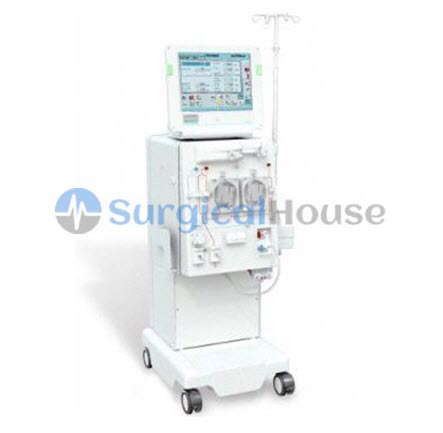
Performing routine checks on your dialysis machine is essential to prevent breakdowns and ensure that it is functioning correctly. In this article, we will discuss some key steps to perform routine checks on your dialysis machine.

Introduction

Dialysis machines are intricate medical devices that are crucial for patients with kidney failure. They require regular maintenance to prevent breakdowns and ensure that they function correctly. Routine checks are necessary to detect any potential issues before they cause significant problems.

During dialysis treatment, the machine uses filters and a specialized solution to remove waste and excess fluid from the patient’s blood. It is essential that the machine functions correctly to ensure that the treatment is effective. Any issues with the machine could lead to incomplete dialysis, resulting in complications for the patient.

To avoid potential problems, routine maintenance checks should be performed on dialysis machines. These checks include verifying that the machine is clean and disinfected, checking the tubing for kinks or blockages, and ensuring that the filters are working correctly.

These alarms and sensors alert the patient and healthcare providers of any issues with the machine, such as low blood flow or leaks.

If any issues are detected during routine maintenance checks, they should be addressed immediately.

Regular maintenance checks can prevent significant breakdowns and prolong the life of the machine. They can also ensure that the patient is receiving the most effective treatment possible. Failure to perform regular maintenance checks can result in costly repairs and potential harm to the patient.

Key Steps to Perform Routine Checks

Here are some key steps to perform routine checks on your dialysis machine:

1. Check the Blood Pump and Dialysate Flow

Check the blood pump and dialysate flow to ensure that they are operating at the correct flow rates. A change in flow rates can indicate an issue with the machine, such as a clogged filter or a malfunctioning pump.

2. Check the Blood Pressure Monitoring System

Check the blood pressure monitoring system to ensure that it is accurately measuring the patient’s blood pressure. A malfunctioning blood pressure monitoring system can lead to inaccurate readings and potentially harm the patient.

3. Check the Conductivity Monitoring System

Check the conductivity monitoring system to ensure that it is accurately measuring the conductivity of the dialysate. A malfunctioning conductivity monitoring system can lead to incorrect fluid removal rates and potentially harm the patient.

4. Inspect the Water Supply System

One of the critical components of a dialysis machine is its water supply system. Therefore, it is essential to regularly inspect it for any leaks or damage. You can start by checking the water inlet and outlet hoses for signs of wear and tear. If you find any cracks or leaks, you must replace them immediately.

It is also vital to ensure that the water pressure is within the recommended range. You can refer to the manufacturer’s manual to know the recommended water pressure range.

5. Check the Safety Features

Check the safety features of the dialysis machine to ensure that they are functioning correctly. Safety features such as alarms and shut-off systems can help prevent patient harm in the event of a malfunction.

6. Check for Leaks and Cracks

Check for any leaks or cracks in the dialysis machine, particularly in areas where fluids pass through. Leaks and cracks can indicate issues with the machine’s tubing or other components, which can lead to machine malfunctions and patient harm.

7. Test the Machine’s Alarms

A dialysis machine has various alarms that alert the user in case of any malfunction or issue. Therefore, it is crucial to test these alarms regularly to ensure they are working correctly. You can test the alarms by simulating various issues and checking if the alarms go off.

For example, you can simulate low blood flow, high blood pressure, or air in the lines and check if the corresponding alarm goes off.

In Conclusion

Performing routine checks on your dialysis machine is essential to prevent breakdowns and ensure that it is functioning correctly. By checking the blood pump and dialysate flow, blood pressure and conductivity monitoring systems, water treatment system, safety features, and for leaks and cracks, you can identify and address any potential issues before they cause significant problems. It’s essential to follow the manufacturer’s guidelines for routine maintenance and seek professional assistance if any issues are detected.

We Provide Any Products, Any Brands
As Per Customers Requirements