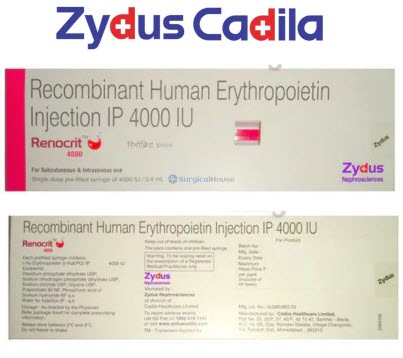
Using erythropoetin injection is a common treatment for patients with hypertension. There are some precautions to take and other side effects to watch out for, though. The medication is effective for some patients.

How does an Erythropoetin Injection Works?

Erythropoetin is produced by specialised kidney cells that detect low oxygen levels and respond by releasing more of the hormone. This increased production helps to increase the number of red blood cells, thereby increasing the transport of oxygen throughout the body. It has also been shown to increase cardiac output in patients with ischaemic heart disease.

It is also known to increase the release of endothelin-1, a hormone that promotes vasodilation. It has also been shown to increase the release of vasopressin, a hormone that regulates the tone of the vasoconstrictor arteries.

What are the Precautions to be Taken with Erythropoetin Injection?

Using erythropoetin as a treatment for anemia is a relatively new development. The hormone was discovered in 1983, but the first map of its amino acid sequence was not completed until the mid-nineties. Since then, several synthetic changes have been made to erythropoietin, resulting in a relatively stable version that is now commercially available.

Epoetin is a 165-amino acid erythropoiesis-stimulating glycoprotein. The hormone has a molecular weight of about 30,400 daltons. It is produced by mammalian cells with the human erythropoietin gene. Epoetin alfa is a recombinant form of the protein manufactured by a genetic engineering process.

The best way to determine the best erythropoetin dosage for your individual needs is to consult your healthcare provider. The dosage is based on your red blood cell count. If you are pregnant or breast feeding, you should be extra cautious. This is because the hormone has unknown effects on milk production. Luckily, most patients are able to maintain a normal red cell count after four weeks.

What are the Benefits of Erythropoetin Injection?

Various erythropoiesis-stimulating agents are used for the treatment of anaemia. Erythropoetin is one such agent. Erythropoetin works by stimulating the division and maturation of red blood cells. This increase in hematocrit level is likely to reduce the need for transfusions.

Erythropoetin injection is used to treat anaemia. The medicine increases the number of red blood cells in your body. This increases your blood’s oxygen levels, causing your organs to work properly. It can be given to people with bone marrow conditions, such as cancer, or people with chronic kidney disease.

The medicine is made by recombinant DNA technology, so it is very similar to a naturally occurring substance. You may need to take iron supplements while you’re taking erythropoetin.

The Bottom Line

Currently, Erythropoetin injection products are used for anemia resulting from chemotherapy, chronic kidney failure, and zidovudine. They can be administered intravenously or subcutaneously. They can be given once to three times per week. These injections are not used in place of red blood cell transfusions, though they may be used before a surgery.

Depending on the dose, the rate of hemoglobin increase can vary. Dose titration is recommended. Erythropoietin should not be used in patients with grossly elevated serum erythropoietin levels.

We Provide Any Products, Any Brands
As Per Customers Requirements