



Table of Contents
Share At:




Listen Article:
0:00 /
0:00
Dialysis Dual Lumen Catheter: A Vital Solution Supporting Hemodialysis Treatment Needs in Colombia
Table of Contents
Colombia, like many other nations, faces a growing burden of chronic kidney disease (CKD), driven by aging populations, diabetes and hypertension. Hemodialysis remains one of the primary treatments for patients with end-stage renal disease (ESRD), requiring reliable vascular access to ensure effective therapy. The Nephroxa dialysis dual lumen catheter has emerged as a key solution supporting these needs – providing safe, immediate and functional access to the bloodstream for both acute and long-term dialysis.
Colombia, like many other nations, faces a growing burden of chronic kidney disease (CKD), driven by aging populations, diabetes and hypertension. Hemodialysis remains one of the primary treatments for patients with end-stage renal disease (ESRD), requiring reliable vascular access to ensure effective therapy. The dialysis dual lumen catheter has emerged as a key solution supporting these needs – providing safe, immediate and functional access to the bloodstream for both acute and long-term dialysis.
Reliable Dialysis Consumables at Your Fingertips
 REQUEST A QUOTE
Why Is Hemodialysis Access a Priority in Colombia’s Healthcare Landscape?
The prevalence of chronic kidney disease in Colombia is increasing due to rising rates of diabetes, hypertension and lifestyle-related conditions. According to regional health data, thousands of patients in Colombia now require routine hemodialysis to manage ESRD.
Key Considerations:
- Hemodialysis patients typically undergo 3-4 sessions weekly, each requiring secure blood access.
- Not all patients are eligible for fistulas or grafts due to poor vascular conditions, making hemodialysis catheters a practical alternative.
- In rural and remote regions of Colombia, access to specialized surgical interventions may be limited, increasing reliance on catheter-based access.
The ability to initiate dialysis promptly using a dual lumen hemodialysis catheter becomes a lifesaving intervention in emergency or transitional care scenarios.
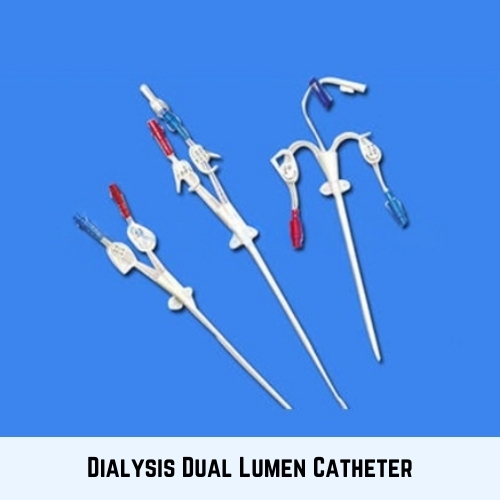
What Makes a Dual Lumen Catheter Ideal for Hemodialysis in Colombian Clinics?
A Nephroxa dual lumen catheter for dialysis is designed with two separate internal channels – one for drawing blood from the patient and the other for returning cleansed blood post-filtration. This dual-channel design ensures efficient, continuous circulation during hemodialysis.
Advantages in Colombian Clinical Settings:
- Immediate Use: Unlike arteriovenous (AV) fistulas, these catheters can be used soon after placement, making them essential in acute care.
- Minimally Invasive: Insertion techniques are relatively simple and do not require open surgery, which is beneficial in under-resourced or outpatient centers across Colombia.
- Flexibility: The same device supports both short-term and long-term dialysis, depending on the material and design (e.g., silicone dialysis catheters offer longer usability).
The dual lumen configuration not only saves time but also helps reduce the need for repeated vascular punctures, thereby minimizing complications and improving patient outcomes in urban and rural hospitals alike.
How Do Silicone Dialysis Catheters Improve Patient Comfort and Longevity?
In Colombia’s dialysis centers – both private and public – the comfort and safety of the patient are top priorities. Silicone dialysis catheters are known for their soft, biocompatible properties, which minimize trauma to the vessel walls and surrounding tissue.
Key Features:
- Silicone is less likely to cause thrombosis or infections compared to more rigid materials.
- It offers greater flexibility, making it easier to position and more comfortable for patients during long-term dialysis schedules.
- Its long dwell time reduces the frequency of catheter changes, benefiting both clinicians and patients by lowering procedural risks and healthcare costs.
For patients in remote Colombian regions, fewer interventions mean fewer trips to tertiary care centers, which may be several hours away from their communities.
What Role Do Dialysis Dual Lumen Catheter Suppliers Play in Colombia’s Healthcare System?
The growing demand for hemodialysis access catheters in Colombia calls for a dependable network of medical device suppliers who can deliver both quality and consistency.
Supplier Impact:
- Provide access to CE/FDA-certified catheters that meet international safety and performance standards.
- Offer training and product support to medical staff in both large hospitals and small dialysis clinics.
- Ensure a steady supply chain to prevent treatment interruptions, especially in public health facilities that rely on scheduled procurement.
As Colombia continues to expand its renal care infrastructure, dialysis dual lumen catheter suppliers play a vital role in equipping facilities with the tools needed to meet patient demands effectively.
How Is the Colombian Market Responding to the Need for Advanced Hemodialysis Catheter Solutions?
Colombia’s healthcare institutions are increasingly adopting advanced medical technologies to raise the standard of care. In the context of hemodialysis, this includes:
- Use of tunneled and non-tunneled catheters based on patient prognosis and dialysis frequency.
- Incorporation of antimicrobial-coated catheters to reduce infection rates in high-risk patients.
- Growing demand for long-term catheters, especially in metropolitan centers like Bogotá, Medellín, Cali and Barranquilla.
Investment in better catheter systems reflects a broader strategy to reduce complications such as infections, catheter dysfunction and hospitalization rates – an important goal for both private insurers and Colombia’s national health system (EPS).
Why Is Catheter Material and Design Important in Colombia’s Diverse Geography?
Colombia’s diverse climate zones and healthcare accessibility challenges – from Amazonian jungles to highland towns – require catheter systems that perform reliably across environments.
- Humidity and infection risk: In warmer and humid areas, catheters with antimicrobial coatings or made of silicone offer added protection against bacterial growth.
- Humidity and infection risk: In warmer and humid areas, catheters with antimicrobial coatings or made of silicone offer added protection against bacterial growth.
- Urban vs. rural usage: While advanced tunneled catheters are common in large cities, cost-effective double lumen dialysis catheters are more frequently used in regional clinics and municipal hospitals.
This variability underscores the importance of versatile catheter designs and robust supplier networks that can deliver to every corner of the country.
What Are the Best Practices for Using Dual Lumen Hemodialysis Catheters in Colombia?
What Are the Best Practices for Using Dual Lumen Hemodialysis Catheters in Colombia?
- Aseptic insertion techniques to minimize infection risk
- Routine flushing and locking protocols to prevent clot formation
- Training for nurses and technicians to ensure correct use and maintenance
Training programs and product education provided by catheter suppliers help bridge skill gaps, especially in under-resourced regions, enhancing the overall quality of hemodialysis services in the country.
Proven Dialysis Solutions. Trusted by Clinics
 WHATSAPP NOW
Conclusion
The dialysis dual lumen catheter remains an essential component in Colombia’s efforts to meet the growing demands of hemodialysis treatment. From facilitating emergency access to supporting long-term renal therapy, this medical device enables thousands of patients across Colombia to receive reliable, high-quality care.
As the nation continues to strengthen its healthcare infrastructure and expand renal services across urban and rural areas, the role of dual lumen dialysis catheters, particularly silicone and hemodialysis access catheter variants, becomes even more critical. With the right product choices and supplier partnerships, Colombia is well-positioned to enhance patient outcomes and operational efficiency in its hemodialysis centers.
FAQs on Nephroxa Dual Lumen Dialysis Catheter
It provides immediate, safe blood access for hemodialysis by allowing blood to flow in and out through two separate channels.
Rising CKD rates and limited surgical resources in rural areas make catheter-based access essential for timely treatment.
They reduce infection risks, are more comfortable and last longer, especially beneficial for long-term dialysis care.
They ensure access to certified products, offer training and support consistent supply chains across diverse regions.
Clinicians follow strict aseptic techniques, regular flushing and patency checks to ensure safe and effective use.



