


Table of Contents
Share At:




Listen Article:
0:00 /
0:00
How Advanced Technology in Peritoneal Dialysis Machines Reduces Complications?
Table of Contents
Peritoneal dialysis (PD) is a vital renal replacement therapy for patients suffering from end-stage renal disease (ESRD). Unlike hemodialysis, which relies on external blood filtration, peritoneal dialysis uses the patient’s own peritoneum as a natural filter. This method allows for greater flexibility, reduced clinic dependency and potentially fewer cardiovascular stresses. However, its success hinges largely on the precision, safety and reliability of peritoneal dialysis products and related medical equipment.
With continuous advancements in medical technology, the landscape of treatment is evolving. Modern peritoneal dialysis machines, innovative catheter kits for dialysis and enhanced dialysis catheter designs are playing a crucial role in minimizing complications such as infections, catheter malfunctions and peritonitis. This article explores how cutting-edge technology is redefining safety in peritoneal dialysis and improving patient outcomes.
Proven Dialysis Solutions. Trusted by Clinics
WHATSAPP NOW
How Do Peritoneal Dialysis Machines Work?
Peritoneal dialysis machines, also known as cyclers, automate the process of dialysate infusion and drainage. These machines are used predominantly in automated peritoneal dialysis, typically performed overnight while the patient sleeps. The machine infuses the dialysis solution into the peritoneal cavity, allows a dwell time for waste exchange and then drains it – all without human intervention.
Technological improvements in dialysis machine systems now include programmable cycles, real-time monitoring of pressure and volume and alarms for flow issues. These features reduce human error, enhance efficiency and lower the risk of fluid imbalances and mechanical complications.
Why Is the Peritoneal Dialysis Catheter a Critical Component?
A peritoneal dialysis catheter acts as the main access point between the patient and the dialysis system. It allows the dialysate fluid to flow into and out of the abdominal cavity where the peritoneal membrane acts as the filtration surface. The proper functioning of this catheter is essential to ensure uninterrupted and infection-free dialysis treatment.
Advanced peritoneal dialysis catheters today are designed with flexible materials, smooth edges and biocompatible coatings. These improvements can reduce tissue irritation, lower the risk of infection and improve catheter longevity. Features like radiopaque markings assist in accurate placement and coiled tips may reduce migration or dislocation within the cavity.
What Technological Advancements Minimize Infection Risk?
One of the leading complications in peritoneal dialysis is peritonitis, often caused by poor aseptic techniques or catheter contamination. Technological interventions now aim to reduce this risk significantly:
- Touch-free connection systems that limit direct contact during bag exchanges
- Antimicrobial-coated catheters to reduce bacterial colonization
- Integrated disinfection alarms in cyclers to ensure sterile cycles
Moreover, the use of dialysis disinfectants as part of daily and routine equipment maintenance helps eliminate biofilm buildup and microbial threats. These combined innovations can significantly reduce infection-related hospitalizations and enhance patient safety.
How Do Catheter Kits for Dialysis Improve Procedural Accuracy?
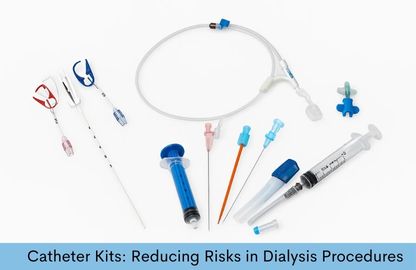
Catheter kits for dialysis include all the components necessary for safe catheter insertion and management. These kits are typically pre-sterilized and designed for single-use, minimizing contamination risks. A complete kit may contain:
- The dialysis catheter itself
- Surgical instruments
- Antiseptic solutions
- Securement devices
Precision surgical tools like the Karl Storz Cutting Loop further facilitate accurate and minimally traumatic catheter placement. This surgical loop enables clean incisions and accurate tissue separation, which is vital for reducing procedural complications such as organ perforation or hematoma.
What Role Do Peritoneal Dialysis Fluids and Solutions Play?
The dialysis solution or dialysate plays an essential role in peritoneal dialysis by drawing waste products and excess fluids from the bloodstream into the peritoneal cavity. These fluids are specifically formulated to match patient electrolyte levels and maintain pH balance.
Modern dialysate solutions may include additives for better biocompatibility, buffering agents to stabilize pH and glucose polymers for improved ultrafiltration. High-quality peritoneal dialysis fluids enhance comfort, reduce glucose exposure (a risk factor for long-term complications) and improve the overall efficacy of dialysis.
How Do Modern Monitoring Systems Enhance Patient Safety?
The integration of smart monitoring features in peritoneal dialysis equipment allows healthcare providers and patients to detect and respond to abnormalities early. Features include:
- Real-time pressure sensors to detect occlusions or catheter migration
- Automated logging of treatment data for clinical review
- Wireless data transfer to nephrologists or clinics for ongoing monitoring
These tools give clinicians and patients enhanced oversight and control, reducing the likelihood of adverse events and enabling better personalized care plans.
How Does Innovation in Peritoneal Dialysis Medical Equipment Reduce Hospital Visits?
Innovations in peritoneal dialysis medical equipment have facilitated greater independence for patients. Automated cyclers, user-friendly interfaces and smart alarms enable patients to manage dialysis from home. This convenience not only reduces dependency on dialysis centers but also decreases exposure to nosocomial infections and reduces transportation-related stress, particularly for elderly or mobility-impaired patients.
Fewer hospital visits equate to better quality of life, enhanced emotional well-being and cost savings over time.
Why Is Equipment Quality Essential for Complication-Free Dialysis?
Even the best-designed dialysis protocols can fail if equipment or consumables are substandard. Low-quality dialysis catheters, poorly manufactured tubing or unreliable machines can lead to leaks, blockages or even infections.
Investing in high-grade materials and rigorously tested equipment ensures that complications remain rare. Regulatory compliance, material biocompatibility and ergonomic design are critical markers for quality that every supplier must meet.
How Does Shubham Corporation Contribute to Safer Dialysis Care?
Shubham Corporation stands as a leading manufacturer, supplier and exporter of a complete range of peritoneal dialysis machines. This includes:
- Advanced peritoneal dialysis catheters
- Precision-engineered catheter kits for dialysis
- Sterile dialysis disinfectants
- Durable and patient-safe dialysis machine systems
Every product is developed with a focus on safety, clinical efficiency and patient comfort. With a commitment to quality assurance and innovation, Shubham Corporation continues to support healthcare providers globally in reducing complications and improving outcomes in dialysis care.
The Complete Range of Dialysis Consumable
 TALK TO OUR EXPERTS
Conclusion
Peritoneal dialysis has revolutionized kidney care by offering flexibility, comfort and autonomy to patients. Yet, its success largely depends on the integration of advanced technologies within every component – be it the peritoneal dialysis machine, catheter or fluid delivery system. With modern innovations like touchless connectors, automated cyclers, antimicrobial coatings and real-time monitoring, complication rates can be significantly reduced.
As treatment methods evolve, so must the tools we use. By relying on quality-driven providers like Shubham Corporation, healthcare institutions and patients alike gain access to safe, efficient and technologically superior dialysis solutions – ensuring that the road to better health is as smooth and risk-free as possible.
FAQs About Peritoneal Dialysis
Peritoneal dialysis is a treatment for kidney failure where a special fluid is placed into the belly through a catheter. This fluid helps remove waste and extra water from the blood using the body’s natural filter, the peritoneum.
The catheter is the tube that allows the dialysis fluid to move in and out of the belly. If it’s not placed or maintained properly, it can lead to complications like infections or poor dialysis results.
Advanced technology helps by offering machines with alarms, better monitoring and improved catheter designs. These features lower the risk of infections, ensure proper fluid exchange and make the treatment more reliable.
A catheter kit usually includes the catheter, surgical tools for inserting it, cleaning agents and securement tools. These kits help make the procedure safer and more accurate.
Both types have its benefits. Peritoneal dialysis offers more flexibility and can be done at home, while hemodialysis is usually done in a clinic. The best option depends on the patient’s health, lifestyle and doctor’s recommendation.



