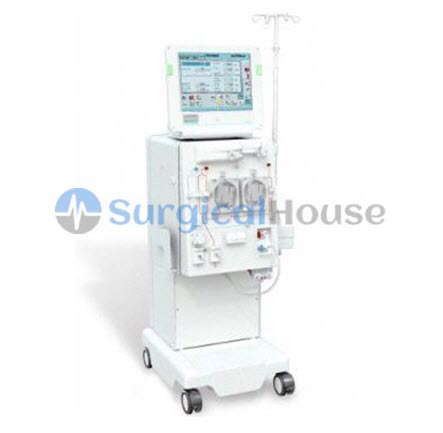
One of the most common issues with dialysis machines is alarm notifications. These alerts can indicate problems with the machine’s sensors, water quality, or blood flow rate, among other things.

Another issue that can arise with dialysis machines is the accumulation of air in the blood tubing. This can result in inadequate blood flow and potentially cause harm to the patient. If you suspect there is air in the tubing, immediately stop the dialysis treatment and remove the air by opening the appropriate clamps or valves. It’s essential to monitor the patient for any adverse reactions and restart the treatment once the air has been removed.

In addition to these issues, other problems may occur with the dialysis machine’s water system. Regular maintenance and testing of the water system can help prevent issues before they arise.

Introduction

Maintaining your dialysis machine is essential for healthcare providers and dialysis technicians to ensure that it functions properly. Performing regular checks and basic maintenance tasks can help prevent bigger problems from occurring.

Dialysis machines are critical in helping patients with kidney failure remove excess fluids and waste from their blood. However, like any machine, they can experience malfunctions. Knowing how to troubleshoot these issues can reduce downtime and ensure patients receive the treatments they need.

Common Issues with Dialysis Machines

Alarms

One common issue with dialysis machines is the activation of alarms. These alarms are designed to alert medical staff of any abnormalities in the treatment process. Common alarms include blood leaks, air bubbles, pressure changes, and temperature fluctuations. If an alarm sounds, first check the machine’s display for any error messages or specific instructions.

Leaks

Another common issue with dialysis machines is leaks in the tubing or dialyzer. Leaks can occur due to various factors, such as loose connections or damaged tubing. If a leak is detected, first stop the treatment and inspect the machine for any visible damage.

Blockages

Blockages can occur in the tubing or dialyzer due to blood clots or other obstructions. If a blockage is detected, first stop the treatment and inspect the machine for any visible blockages.

Electrical Issues

Electrical issues can occur due to power surges or other factors. If the machine is not functioning properly or not turning on, check the power source and connections.

Software Errors

Dialysis machines use software to control various functions, such as blood flow rate and treatment time. Software errors can occur due to bugs or glitches in the system.

How to Perform Routine Checks on Your Dialysis Machine to Prevent Breakdowns?

Performing routine checks can help you catch issues before they become bigger problems and keep your machine running smoothly.

Clean the Machine Regularly

This can include checking for any leaks, ensuring all connections are secure, and monitoring the machine’s pressure readings. You should also check the machine’s filters regularly and replace them as needed to ensure optimal performance.

Another important maintenance task is to perform regular water quality testing. The water used in the dialysis process must be free of contaminants and bacteria to prevent infections and other complications. Regular testing can help catch any issues with the water supply before they affect patient health.

This can include tasks such as replacing worn out components, calibrating the machine, and performing software updates. By following these guidelines, you can help ensure your machine functions properly and is ready to provide the necessary treatments to your patients.

Check for Leaks

Leaks can cause serious problems with your dialysis machine, so it’s important to check for them regularly. Look for any signs of fluid around the machine or tubing, and check for any cracks or other damage.

Inspect the Tubing

The tubing is a crucial component of your dialysis machine, as it carries the dialysate and blood to and from the patient. Inspect the tubing regularly for any signs of wear, such as cracks or holes. Replace any damaged tubing as soon as possible to prevent leaks or other issues.

In Conclusion

Dialysis machines are complex medical equipment that require careful attention and maintenance to ensure they are functioning properly. Troubleshooting common issues with your dialysis machine can help minimize downtime and ensure you receive the necessary treatments. This requires following the manufacturer’s instructions and conducting regular maintenance and routine checks to prevent issues from occurring. If you encounter a problem that you cannot resolve, it is important to contact your healthcare provider or a qualified service technician. Proper troubleshooting can help ensure that your dialysis machine is providing high-quality care to your patients.

We Provide Any Products, Any Brands
As Per Customers Requirements