



Table of Contents
Share At:




Listen Article:
0:00 /
0:00
Why Choose High-Quality Hemodialysis Catheters: A Guide for Healthcare Providers?
Table of Contents
Hemodialysis is a critical treatment for patients suffering from kidney failure or end-stage renal disease (ESRD). For the dialysis process to be effective, ensuring optimal blood flow is essential. One of the most crucial components in this process is the hemodialysis catheter. Among the different types of dialysis catheters, dual lumen catheters are widely used due to their ability to efficiently manage blood flow, making them a reliable option for hemodialysis. This article provides a detailed guide for healthcare providers on why they should opt for high-quality hemodialysis catheters and highlights the importance of selecting the right catheter for their patients.
Exclusive Dialysis Products for Your Hospital
CONNECT TODAYWhat Are Hemodialysis Catheters?
A hemodialysis catheter is a flexible tube inserted into a patient’s blood vessels to access their bloodstream during dialysis treatment. The catheter acts as the link between the dialysis machine and the patient, allowing blood to flow out for purification and then returning it after the toxins and excess fluids are removed. There are two primary types of hemodialysis catheters: single lumen catheters and dual lumen catheters.
- Single lumen catheters: These catheters have one access point for both inflow and outflow, which is typically used for short-term dialysis treatments or in emergency situations.
- Dual lumen catheters: These are more commonly used for long-term dialysis. They have two separate lumens—one for the inflow of blood and one for the outflow, enabling more efficient blood circulation during dialysis.
The dual lumen catheter is often considered the gold standard due to its capacity to handle higher blood flow rates, which makes it especially useful for long-term dialysis.
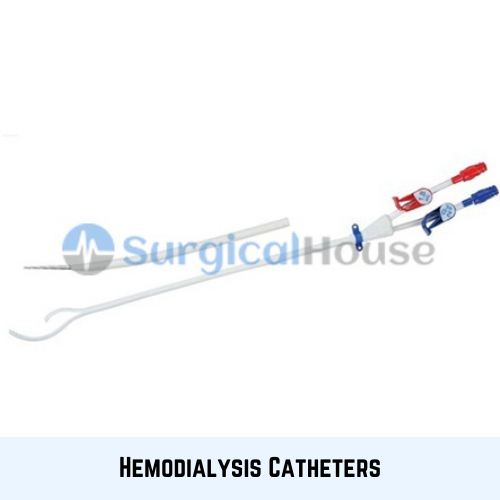
Why Choose High-Quality Hemodialysis Catheters?
Improved Blood Flow for Efficient Dialysis
One of the primary reasons to choose high-quality hemodialysis catheters is to ensure optimal blood flow during the dialysis process. High-quality catheters, especially dual lumen catheters, allow for greater blood flow rates, which in turn enables more efficient removal of toxins and excess fluid from the blood. Optimal blood flow can help reduce the length of dialysis sessions and improve overall patient outcomes.
Reduced Risk of Complications
Dialysis catheters, particularly those of low quality, may have issues such as clot formation, infection, or occlusions that can lead to treatment disruptions or increased patient discomfort. High-quality hemodialysis catheters are designed to minimize these risks by using biocompatible materials and advanced coatings that reduce friction and clotting.
Longer Lifespan and Durability
High-quality catheters are built to last longer and withstand the stress placed on them during multiple dialysis treatments. Low-quality catheters may wear out more quickly, leading to more frequent replacements and increasing the risk of infections and other complications. Choosing durable and well-constructed catheters helps reduce the frequency of replacements, making treatment more cost-effective in the long run.
Enhanced Comfort for Patients
Catheters that are made from biocompatible and soft materials enhance patient comfort by reducing the risk of irritation or allergic reactions. High-quality hemodialysis catheters, such as dual lumen catheters, are designed to be minimally invasive and are more comfortable for long-term use. This reduces discomfort and improves the overall patient experience.
Lower Risk of Infection
Infection prevention is a significant concern in dialysis treatments. High-quality dialysis catheters feature anti-microbial coatings that help reduce the risk of infection at the insertion site and within the catheter itself. This is crucial for maintaining patient safety, especially since dialysis patients are at higher risk for bloodstream infections (BSIs).
Customization for Individual Patient Needs
Every patient undergoing dialysis may have different medical needs. High-quality hemodialysis catheters come in various sizes and configurations, including dual lumen catheters designed for specific patients, depending on their vascular anatomy and dialysis requirements. This customization ensures that the catheter chosen is appropriate for each patient’s unique situation, optimizing the dialysis treatment process.
Benefits of Dual Lumen Catheters
Dual lumen catheters offer several distinct advantages over other types of dialysis catheters, such as single lumen catheters. Some of the key benefits include:
- Higher Blood Flow Rates: Dual lumen catheters can provide higher blood flow rates, which means the dialysis treatment can be performed more quickly and efficiently, improving patient comfort.
- Reduced Risk of Clotting: With two separate lumens—one for inflow and the other for outflow—there is less chance of blood stagnation and clot formation, which can cause complications during dialysis.
- Better for Long-Term Use: Dual lumen catheters are typically used for long-term dialysis patients. These catheters are specifically designed to withstand multiple dialysis treatments over time, offering durability and reduced risk of complications.
How to Choose the Right Hemodialysis Catheter
Selecting the right hemodialysis catheter for your patient is crucial to ensure their dialysis treatments are both effective and safe. Here are some factors to consider when choosing a catheter:
Patient’s Vascular Access:
The vascular access site (e.g., AV fistula, AV graft, or central vein) should be taken into account when selecting a catheter. Dual lumen catheters are often preferred for patients with central venous access as they allow better blood flow and are designed for long-term use.
Blood Flow Requirements:
If the patient requires a high blood flow rate, a dual lumen catheter is typically the best choice as it allows for better efficiency during dialysis.
Duration of Use:
For short-term dialysis, a single lumen catheter may suffice. However, for long-term dialysis, dual lumen catheters are preferred due to their ability to withstand extended use without causing complications.
Patient Comfort:
Choose biocompatible materials for the catheter to ensure patient comfort and reduce the risk of reactions to the materials. Soft and flexible materials will also enhance comfort during insertion and usage.
Manufacturer Reputation:
Always choose a trusted dialysis catheter manufacturer that is known for producing high-quality catheters. Look for brands that meet international health and safety standards to ensure the best care for your patients.
Shubham Corporation - Living Dialysis, Delivering Trust
EMAIL OUR EXPERTSConclusion
High-quality hemodialysis catheters are essential tools in providing effective and efficient dialysis treatment. Choosing the right catheter, particularly dual lumen catheters, can lead to improved blood flow, reduced risk of complications, and enhanced patient comfort. It’s crucial for healthcare providers to select catheters that are durable, biocompatible, and designed to meet individual patient needs. By ensuring that only high-quality hemodialysis catheters are used, healthcare providers can deliver better care and improve patient outcomes in dialysis treatments.
FAQs About Hemodialysis Catheters
A dual lumen catheter has two separate lumens—one for inflow and one for outflow—allowing for higher blood flow rates and reduced risk of clotting. A single lumen catheter has one lumen for both functions and is typically used for short-term dialysis.
High-quality catheters feature anti-microbial coatings that help prevent the growth of bacteria, reducing the risk of infection at the insertion site and within the catheter.
Dual lumen catheters provide higher blood flow rates, reduce the risk of clotting, and are designed for long-term use, making them more suitable for patients who need dialysis over extended periods.
While dual lumen catheters are typically used for long-term dialysis, they can also be used for short-term dialysis if the patient requires higher blood flow rates or has specific needs that single lumen catheters cannot meet.
Choosing the right catheter involves considering factors like vascular access, blood flow requirements, patient comfort, and the duration of dialysis. For long-term dialysis, dual lumen catheters are often preferred for their durability and efficiency.



