



Table of Contents
Share At:




Listen Article:
0:00 /
0:00
How Trisodium Citrate Dihydrate Prefilled Syringes Ensure Safer Catheter Locking in Dialysis?
Table of Contents
Objective
This article explores the role of Trisodium Citrate Dihydrate Prefilled Syringes in ensuring safer and more effective catheter locking during hemodialysis procedures. By focusing on the technical aspects of this anticoagulant solution and its application in catheter locking, the content highlights how Trisodium Citrate contributes to improving patient outcomes by preventing clot formation and ensuring catheter patency.
What Is Trisodium Citrate Dihydrate and How Does It Work in Hemodialysis?
Trisodium Citrate Dihydrate is an anticoagulant solution commonly used in dialysis settings for catheter locking. When used in prefilled syringes, it is typically delivered at a concentration of 4% w/v, ensuring effective protection against clotting in central venous catheters used during hemodialysis. The Trisodium Citrate solution works by chelating calcium ions in the blood, which are essential for blood clotting. This reduces the likelihood of clot formation within the catheter while maintaining the integrity of the bloodline for future dialysis sessions.
The solution is prefilled into syringes, allowing for easy, accurate and sterile application. The Trisodium Citrate dihydrate prefilled syringes are designed for single-use only, ensuring that no contamination occurs between sessions. This prefilled form minimizes human error, reduces setup time and maintains a high standard of safety for patients undergoing dialysis.
From Dialyzers to Catheters – All in One Place
CONTACT US
How Does Trisodium Citrate Dihydrate Prevent Clot Formation During Hemodialysis?
One of the main risks during haemodialysis is the formation of clots within the catheter, which can obstruct blood flow and reduce the efficiency of the dialysis process. Trisodium Citrate prevents this by chelating calcium ions that are essential for the clotting cascade. By doing so, it effectively locks the catheter and prevents clotting within the catheter lumen. This anticoagulant solution stabilizes the catheter by ensuring the blood remains in a liquid state, avoiding the need for aggressive anticoagulation strategies like heparin.
The Trisodium Citrate dihydrate prefilled syringe can be used after each dialysis session to lock the catheter, maintaining its patency until the next treatment. This approach minimizes the need for systemic anticoagulation, reducing the risk of bleeding and other complications associated with traditional anticoagulant therapy.
How Do Trisodium Citrate Dihydrate Syringes Compare to Other Anticoagulants in Dialysis?
In dialysis settings, Trisodium Citrate serves as an alternative to heparin, a commonly used anticoagulant in catheter locking. However, Trisodium Citrate Dihydrate has distinct advantages over heparin in terms of both safety and effectiveness:
- Lower Risk of Bleeding: Trisodium Citrate has a local effect, meaning it does not cause systemic anticoagulation. This reduces the overall risk of bleeding complications, which is especially important for patients with a history of bleeding disorders or those who are at high risk for hemorrhage.
- No Need for Monitoring: Unlike heparin, which often requires careful monitoring of the patient’s activated partial thromboplastin time (aPTT), trisodium citrateis used directly at the catheter site and does not require the same level of monitoring. This simplifies the dialysis process and reduces the burden on healthcare providers.
- Reduced Risk of Heparin-Induced Thrombocytopenia (HIT): Heparin therapy has been associated with the development of heparin-induced thrombocytopenia (HIT), a serious immune reaction that can cause low platelet counts and increased clotting risk. Trisodium Citrate does not carry this risk, making it a safer alternative for long-term catheter locking.
What Are the Key Benefits of Using Trisodium Citrate Dihydrate Prefilled Syringes in Dialysis Clinics?
The introduction of Trisodium Citrate Dihydrate Prefilled Syringes has provided several practical and clinical advantages for dialysis centers. These include:
What Are the Advantages of Using Prefilled Syringes for Catheter Locking?
Using prefilled syringes for catheter locking offers several practical benefits. Pre-sterilized, ready-to-use syringes ensure that the proper concentration of Trisodium Citrate Dihydrate is administered with minimal risk of human error. The advantages of prefilled syringes in catheter locking include:
- Consistency in Dosing: The syringes are pre-measured, ensuring that the exact amount of anticoagulant solution is used every time. This eliminates any variability associated with manually filling syringes or vials.
- Sterility: Prefilled syringes are terminally sterilized (often via ETO or gamma radiation), ensuring that they remain free from contaminants, which is critical for patient safety.
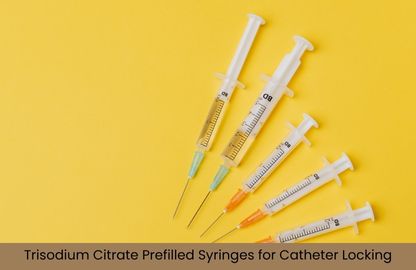
- Ease of Use: The Trisodium Citrate dihydrate prefilled syringe design is simple and quick to use, reducing the time needed for catheter care and increasing efficiency in dialysis clinics.
- Safety: Pre-filled syringes help reduce the risk of mistakes such as over- or under-dosing. They also prevent cross-contamination between patients, as each syringe is single-use only.
- Simplified Catheter Care: Trisodium Citrate in prefilled syringes reduces the complexity of the catheter locking process. With a clear, pre-measured dosage, healthcare professionals can lock the catheter quickly and consistently, ensuring the procedure is both efficient and accurate.
- Improved Patient Outcomes: By preventing catheter occlusions and reducing the risk of clotting, Trisodium Citrate contributes to better long-term catheter patency. This can lead to fewer complications and better overall dialysis outcomes.
- Cost Efficiency: Although Trisodium Citrate dihydrate prefilled syringes might have a higher upfront cost compared to traditional heparin locking solutions, they can ultimately be more cost-effective by reducing complications like clotting, infections and the need for more aggressive anticoagulation.
- Reduced Need for Systemic Anticoagulants: Since Trisodium Citrate Dihydrate works locally within the catheter, it minimizes the need for systemic anticoagulants like heparin, which may require ongoing monitoring and adjustment. This makes the dialysis treatment process simpler and safer.
How Should Trisodium Citrate Dihydrate Prefilled Syringes Be Used for Catheter Locking?
Trisodium Citrate Dihydrate Prefilled Syringes are typically used after a dialysis session to lock the catheter. The following steps outline the proper procedure for catheter locking:
- Preparation: Ensure the catheter has been thoroughly flushed to remove any blood or residual dialysate. Check that the catheter is functioning correctly before locking it.
- Syringe Usage: Take a Trisodium Citrate Dihydrate prefilled syringe, ensuring the syringe is undamaged and within its expiration date.
- Injection: Inject the entire contents of the syringe into the catheter according to clinic protocols. The catheter should be filled with the trisodium citrate solution, ensuring it fills the lumen completely.
- Sealing the Catheter: Once the catheter has been locked, cap the catheter ports and store the patient’s catheter according to the clinic’s procedures. Ensure that the catheter remains patent and ready for the next dialysis session.
Exclusive Dialysis Products for Your Hospital
CONNECT TODAY
In Conclusion
Trisodium Citrate Dihydrate Prefilled Syringes have become an essential tool for ensuring safer catheter locking in dialysis treatments. By preventing clot formation and maintaining catheter patency, Trisodium Citrate offers a reliable and efficient solution compared to traditional anticoagulants. The convenience of prefilled syringes simplifies the procedure for healthcare providers and ensures accurate, consistent dosing.
The unique advantages of Trisodium Citrate Dihydrate, such as reduced bleeding risks, improved patient outcomes and the elimination of systemic anticoagulation monitoring, make it a vital component in modern dialysis care. As the medical community continues to seek safer and more effective approaches to dialysis treatment, Trisodium Citrate dihydrate prefilled syringes will remain a key part of optimizing patient care and improving the overall dialysis experience.
FAQs
Trisodium Citrate Dihydrate is used to prevent blood clotting in dialysis catheters by chelating calcium ions, which are essential for clot formation. It is applied directly into the catheter to lock it between dialysis sessions.
Trisodium Citrate is used locally and does not require systemic anticoagulation monitoring like heparin. It reduces the risk of bleeding, clotting and complications like Heparin-Induced Thrombocytopenia (HIT).
Prefilled syringes ensure accurate, consistent dosing, reduce the chance of contamination and streamline the process, making it safer and more efficient for healthcare providers.
Yes, Trisodium Citrate is a safer alternative for most patients, particularly those who are at risk of bleeding or complications from systemic anticoagulation, as it only works locally within the catheter.
By preventing clot formation and maintaining catheter patency, Trisodium Citrate ensures that dialysis treatments are more effective, reducing the likelihood of complications and improving overall patient outcomes.



