Have you recently hired new staff to operate and maintain your dialysis equipment, but don’t know how to train them effectively? Are you struggling to find the right training methods and resources to ensure that your new staff is fully prepared to handle dialysis machines? If so, you’ve come to the right place! In this article, we will provide you with practical tips and techniques to help you train your new staff on operating and maintaining dialysis equipment successfully.
Start with the Basics
The first step in training new staff on operating and maintaining dialysis equipment is to start with the basics. Before diving into the technical details of the equipment, ensure that your new staff understands the purpose and importance of dialysis. Explain to them the role of dialysis in removing excess waste and fluids from the blood and the impact it has on the overall health of patients.
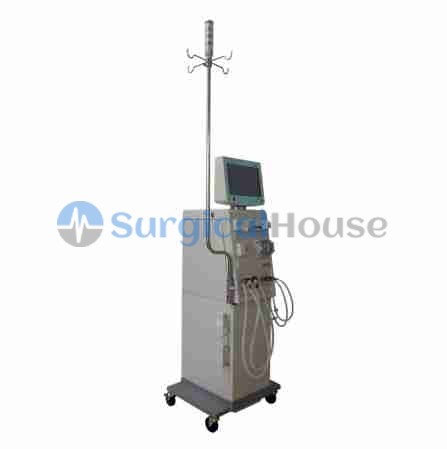
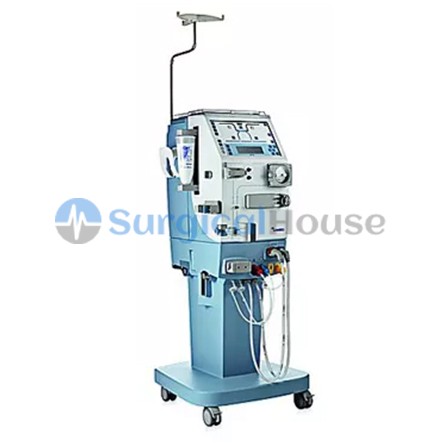
Next, provide an overview of the different types of dialysis machines and their functions. This will help your new staff to understand the differences between each machine and how to operate them effectively.
Hands-On Training
Hands-on training is an essential aspect of training new staff on operating and maintaining dialysis equipment. Provide your new staff with opportunities to practice operating the machines under the supervision of experienced trainers. Encourage them to ask questions and seek clarification on any areas they are unsure of.
In addition, ensure that your new staff understands the safety procedures and protocols when handling dialysis equipment. This includes proper hygiene practices, infection control measures, and emergency response protocols.
Use Visual Aids
Visual aids such as diagrams, charts, and videos can help illustrate the different components of dialysis machines and how they work. Use these aids to explain technical concepts and procedures in a more accessible and engaging way. Ensure that the visuals are clear and easy to understand and that they are presented in a logical sequence that follows the flow of the training.
Provide Ongoing Support
Training new staff on operating and maintaining dialysis equipment is an ongoing process that requires continuous support and guidance. Offer your new staff the opportunity to shadow experienced trainers and observe their techniques. Provide feedback and constructive criticism to help them improve their skills and confidence.