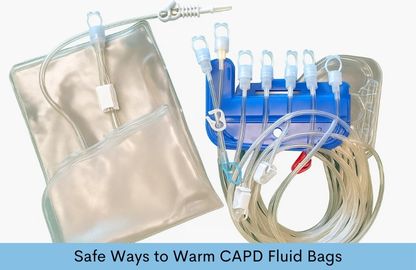
Continuous Ambulatory Peritoneal Dialysis (CAPD) is a life-saving therapy for patients with chronic kidney disease (CKD), allowing for home-based treatment without reliance on machines. A crucial part of this therapy is the CAPD dialysis fluid, which facilitates the removal of toxins and excess fluids via the peritoneal membrane. However, the effectiveness and safety of CAPD heavily depend on the correct storage and handling of this fluid.

From CAPD fluid bags to dialysis catheters and catheter kits for dialysis, every component must be managed with care. Improper storage conditions or mishandling can lead to contamination, degraded solution quality or even serious infections like peritonitis. This article offers practical, science-backed safety tips for managing CAPD dialysis solutions, helping patients and caregivers avoid preventable complications.

Reliable Dialysis Consumables at Your Fingertips
REQUEST A QUOTE

Why Is Safe Handling of CAPD Dialysis Fluid So Important?

Peritoneal dialysis involves introducing dialysate directly into the patient’s peritoneal cavity. Any breach in the sterility of the solution or its delivery system can introduce harmful pathogens. This is especially dangerous because the peritoneal membrane is highly vascular and sensitive.

Contaminated CAPD dialysis fluid bags can result in peritonitis, catheter site infections or chemical peritoneal irritation. Furthermore, degraded fluid composition may impair the dialysate’s ability to regulate electrolytes or remove waste efficiently. That’s why both patients and healthcare providers must prioritize safety when managing these supplies.

How Should CAPD Dialysis Fluid Be Stored at Home?

Safe storage of CAPD dialysis fluid begins with understanding environmental controls. Here are key guidelines:

  • Temperature: Store CAPD fluid bags at room temperature. Avoid freezing, as it can compromise the chemical composition.
  • Light Exposure: Direct sunlight may degrade some of the active ingredients. Always store bags in a shaded or covered container.
  • Humidity and Moisture: Keep the storage area dry. Humidity may not directly affect sealed bags but can lead to outer contamination or mold growth.
  • Clean Environment: Store in a dust-free, clean room or cabinet. Never place bags on the floor or in the bathroom.

By adhering to these protocols, patients ensure that the CAPD dialysis solution maintains its integrity and therapeutic value throughout its shelf life.

What Are the Common Mistakes to Avoid During Fluid Preparation?

While preparing for a fluid exchange, mistakes can lead to contamination. Here are common errors and how to avoid them:

  • Touching Connection Points: Always handle the catheter and bag tubing with sterile gloves or washed hands. Never touch connectors directly.
  • Mixing Before Inspection: Inspect the bag for cloudiness, leaks or expired dates before shaking or mixing.
  • Using Damaged Bags: Discard any CAPD fluid bags that show signs of damage or puncture.
  • Unclean Surfaces: Perform fluid changes on a clean, sanitized table – not on a bed or cluttered area.
  • Not Checking Temperature: Warm the bag only using a fluid warmer or warm water bath. Never microwave it, as uneven heating may damage the bag or denature the solution.

Avoiding these mistakes can significantly reduce the risk of peritoneal infections and improve treatment outcomes.

How Can CAPD Fluid Bags Be Safely Warmed Before Use?

Dialysis fluid should be at body temperature before administration to prevent discomfort or cramping. Follow these steps to warm the CAPD dialysis fluid bags safely:

  • Use an approved warming device or heating pad designed specifically for CAPD fluid.
  • Alternatively, place the sealed bag in a clean basin of warm (not hot) water for 15-20 minutes.
  • Never use a microwave, as it causes uneven heating and may create hot spots that damage the peritoneum.
  • Check the fluid’s warmth by touching the outer bag – never open the bag to test it.

Proper warming enhances patient comfort and prevents hypothermic responses during fluid infusion.

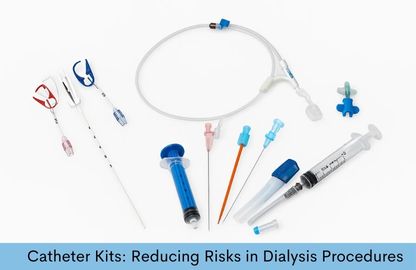
What Is the Role of the Catheter Kit in Ensuring Safety?

The catheter kit for dialysis includes essential components like connectors, antiseptic caps and tubing that allow safe exchange of the dialysate. Poor-quality kits or improper technique during setup may lead to leaks, contamination or connection failures.

Ensure that:

  • The catheter exit site is cleaned daily and inspected for signs of infection.
  • All parts of the catheter kit are sterile and used only once (unless otherwise instructed).
  • Disinfection steps, such as using chlorhexidine, are performed consistently.

Paired with a high-quality dialysis catheter, these tools ensure smooth delivery of the CAPD dialysis fluid while minimizing risks.

How Long Can CAPD Dialysis Fluid Be Stored Safely?

Shelf life for CAPD fluid bags depends on the manufacturer’s specifications, but many solutions are stable for up to two years when stored correctly. Always:

  • Check expiration dates before use.
  • Use the oldest stock first (first-in, first-out).
  • Avoid keeping open bags even for a short time. Once punctured, the solution must be used immediately or discarded.

This protocol minimizes the risk of chemical degradation or microbial growth in the solution.

What Should You Do If You Suspect Contamination?

If a CAPD dialysis solution appears cloudy, has an unusual odor or shows any particulate matter, it should not be used. Patients should:

  • Immediately discard the suspicious bag.
  • Record the batch number and inform their dialysis nurse or clinic.
  • Monitor for symptoms like abdominal pain, fever or cloudy effluent.
  • Always have a backup bag ready in case replacement is needed.

Early detection and action can prevent serious infections and hospitalizations.

Why Is Supplier Quality Important for CAPD Dialysis Fluids?

The effectiveness and safety of CAPD dialysis fluid depend heavily on the manufacturing quality. Fluids must be sterile, chemically balanced and consistent across every batch. A reliable CAPD dialysis fluid supplier ensures:

  • Stringent quality control during production
  • Sterilized packaging
  • Stable shelf life
  • Biocompatible fluid formulations

Choosing a trusted supplier safeguards patients from substandard or harmful products.

Shubham Corporation: Trusted Partner in CAPD and Dialysis Care

Shubham Corporation is a leading manufacturer, supplier and exporter of high-quality dialysis consumables, including CAPD dialysis fluid, CAPD fluid bags, catheter kits for dialysis and dialysis catheters. Each product is designed with a commitment to clinical safety, durability and efficiency.

With expertise in peritoneal dialysis solutions, Shubham Corporation ensures that patients and caregivers receive products that comply with the highest medical standards. Whether you’re seeking long-shelf-life CAPD fluids or precision-engineered catheter kits, Shubham delivers value, quality and peace of mind.

Proven Dialysis Solutions. Trusted by Clinics
WHATSAPP NOW WHATSAPP NOW

Conclusion

Storing and handling CAPD dialysis fluid with care is essential to maintaining treatment safety and effectiveness. From temperature control to connection hygiene, each step in the process plays a role in preventing complications like peritonitis and catheter failure.

By following best practices and sourcing supplies from trusted manufacturers like Shubham Corporation, patients and caregivers can ensure that CAPD therapy remains a reliable and comfortable solution for managing chronic kidney disease.

FAQs About CAPD Dialysis Fluid

CAPD dialysis fluid is used in peritoneal dialysis to remove waste and excess fluid from the blood. It is infused into the abdominal cavity where it interacts with the peritoneum to filter the blood naturally.

Store them at room temperature in a dry, clean place away from sunlight. Avoid freezing or overheating the bags.

No, microwaving is not safe. Use a fluid warmer or warm water bath to heat the fluid evenly and safely.

Do not use it. Discard the bag and inform your healthcare provider. Always inspect each bag before use.

Reliable suppliers ensure that the fluid is sterile, chemically balanced and meets safety standards. This reduces the risk of complications and ensures effective dialysis.

We Provide Any Products, Any Brands
As Per Customers Requirements