Table of Contents
How to Optimize Hemodialysis Performance Using High-Quality Acid Concentrate Solutions?
Table of Contents
Hemodialysis is one of the most critical therapies for patients with end-stage renal disease (ESRD). It helps remove excess fluids, electrolytes and metabolic waste from the blood when the kidneys are no longer able to perform these essential functions. A central component of this therapy is the acid concentrate solution for dialysis, which, when mixed with purified water and bicarbonate concentrate, forms the dialysate.
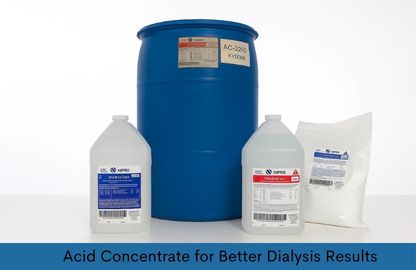
The acid concentrate for haemodialysis plays a pivotal role in maintaining electrolyte balance, controlling acidosis and ensuring safe and efficient dialysis. With innovations such as liquid acid concentrate for dialysis and dry acid concentrate citrate type, treatment can be optimized to reduce complications and enhance patient well-being. This article explores how to maximize hemodialysis performance through the proper use of high-quality acid concentrates.
What is Acid Concentrate for Hemodialysis and Why Is It Essential?
The acid concentrate solution contains carefully balanced electrolytes such as sodium, calcium, magnesium and potassium, along with glucose and buffering agents. When mixed with bicarbonate concentrate and treated water, it creates dialysate, the fluid that comes into direct contact with the patient’s blood across a semi-permeable membrane.
Without an accurate dialysis acid solution, patients may face risks such as electrolyte imbalance, metabolic acidosis or inadequate clearance of waste products. Using high-quality concentrates ensures not only effective toxin removal but also patient comfort and safety during dialysis sessions.
How Does Acid Concentrate Composition Affect Patient Outcomes?
The composition of the acid concentrate solution for dialysis can be adjusted to suit the specific needs of each patient. For example:
- Potassium concentration may be modified to prevent hyperkalemia.
- Calcium levels can be tailored to protect bone health and maintain cardiovascular stability.
- Citrate-based dry acid concentrate can be used instead of acetate-based formulations to reduce inflammation and improve dialysis tolerance.
By personalizing the acid concentrate, healthcare providers may reduce complications, prevent hospitalizations and improve long-term treatment outcomes.
How Quality Control in Acid Concentrates Impact Dialysis Safety?
The effectiveness of acid concentrate for haemodialysis depends heavily on stringent quality control during production. Impurities in raw materials, incorrect electrolyte concentrations or inadequate sterilization can lead to serious patient risks.
High-quality acid concentrates must:
- Meet pharmacopeia standards (such as USP, BP or EP).
- Use purified water in the manufacturing process.
- Undergo rigorous testing for sterility and chemical accuracy.
- Be packaged in sterile, durable containers to prevent contamination.
Healthcare providers should always source products from a trusted dialysis acid solution supplier with proven safety and reliability.
What Role Citrate-Based Acid Concentrates Play in Reducing Complications?
Traditional acid concentrates often use acetate as a buffering agent. However, acetate can sometimes cause hemodynamic instability or inflammatory responses. To address these limitations, dry acid concentrate citrate type formulations have been introduced.
Benefits of citrate-based concentrates include:
- Better biocompatibility compared to acetate.
- Reduction in post-dialysis fatigue and hypotension.
- Natural anticoagulant effect, lowering clotting risk in the dialyzer.
- Improved patient tolerance during long-term dialysis.
This makes citrate-based solutions an important advancement in optimizing dialysis performance.
How Acid Concentrates Improve Efficiency in Dialysis Centers?
Beyond patient outcomes, acid concentrate solutions also influence dialysis operations. Standardized, easy-to-use formulations can:
- Reduce preparation time for staff.
- Minimize errors in solution mixing.
- Lower shipping and storage costs (especially with dry formulations).
- Ensure consistent treatment across multiple machines and sessions.
By improving operational efficiency, dialysis centers can focus more on patient care rather than logistical concerns.
Shubham Corporation: Your Trusted Partner in Dialysis Care
Shubham Corporation is a leading manufacturer, supplier and exporter of dialysis consumables, including acid concentrate solutions, dry acid concentrate citrate type and liquid acid concentrate for dialysis. Each product is developed with precision to meet the highest international standards for safety, purity and performance.
With a strong focus on patient safety and clinical efficiency, Shubham Corporation also provides a complete range of dialysis consumables such as dialysis catheters and catheter kits for dialysis. By ensuring consistent supply and top-quality formulations, Shubham Corporation empowers healthcare providers to deliver safe and effective dialysis treatments worldwide.
WHATSAPP US TODAYConclusion
Optimizing hemodialysis performance requires more than advanced machines and trained staff – it requires the use of high-quality acid concentrate solutions. From carefully balanced electrolytes to biocompatible citrate-based formulations, these solutions safeguard patient health while enhancing treatment efficiency.
Whether in acid concentrate form, the right product ensures consistent, reliable dialysis outcomes. Partnering with trusted suppliers guarantees not only quality but also confidence in every dialysis session.