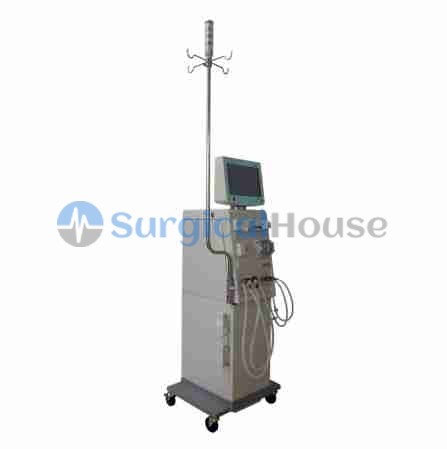
Step 1: Clean and Disinfect the Machine
Cleaning and disinfecting the dialysis machine is crucial to prevent the spread of infections and ensure that the machine operates correctly. You should clean the machine after each use to remove any blood or fluid residues. Ensure that you clean all the components of the machine, including the lines, filters, and monitors. After cleaning, disinfect the machine using an EPA-approved disinfectant.
Step 2: Clean the Exterior of the Machine
Wipe down the exterior of the machine with a soft cloth and a mild detergent solution. Avoid using abrasive cleaners, as they can damage the machine’s surfaces.
Step 3: Inspect the Water Supply System
One of the critical components of a dialysis machine is its water supply system. Therefore, it is essential to regularly inspect it for any leaks or damage. You can start by checking the water inlet and outlet hoses for signs of wear and tear. If you find any cracks or leaks, you must replace them immediately.
It is also vital to ensure that the water pressure is within the recommended range. You can refer to the manufacturer’s manual to know the recommended water pressure range.
Step 4: Inspect the Lines and Tubing
The lines and tubing in the dialysis machine carry the blood and dialysate to and from the patient. You can start by checking for any cracks, holes, or kinks in the lines and tubing.
If you notice any issues with the lines or tubing, you must replace them immediately. Also, it is essential to ensure that the lines and tubing are connected correctly and not twisted or tangled.
Step 5: Monitor for Leaks
Monitor the machine for any leaks or drips. Leaks can lead to infections and other complications. If you notice any leaks, contact your healthcare provider immediately.
Step 6: Clean and Disinfect the Machine
Follow the manufacturer’s instructions to clean and disinfect the machine after each use. Proper cleaning and disinfection help prevent the spread of infections and ensure the machine is functioning correctly.
Step 7: Check the Filters
The filters are critical components of the dialysis machine as they remove impurities from the blood. You should refer to the manufacturer’s manual to know the recommended frequency of changing the filters.
In general, you should replace the filters every three months or as recommended by the manufacturer. If you notice any issues with the filters, such as blockages or damage, you should replace them immediately.
Step 8: Test the Machine’s Alarms
A dialysis machine has various alarms that alert the user in case of any malfunction or issue. You can test the alarms by simulating various issues and checking if the alarms go off.
For example, you can simulate low blood flow, high blood pressure, or air in the lines and check if the corresponding alarm goes off.
Performing routine checks on your dialysis machine is crucial to prevent breakdowns and ensure that it functions correctly. By following the tips mentioned above, you can perform these checks easily and effectively. Remember, regular maintenance and checks can save you time and money in the long run by preventing costly repairs and replacements.