Table of Contents
How to Minimize the Environmental Impact of Your Dialysis Equipment and Processes?
Table of Contents
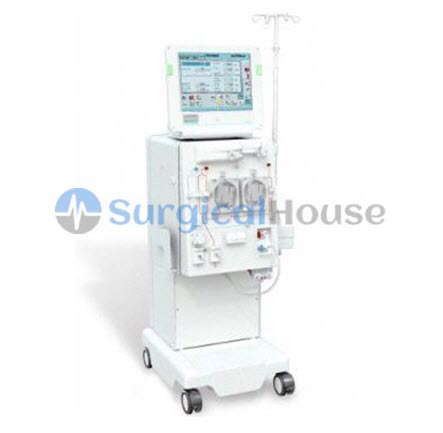
Introduction
Dialysis is a life-saving treatment for people with kidney failure. However, the equipment and processes used in dialysis can have a significant environmental impact. From energy consumption to water usage and waste generation, there are several ways in which dialysis can contribute to environmental pollution. In this article, we will discuss some tips and tricks to minimize the environmental impact of your dialysis equipment and processes.
Assess Your Current Environmental Impact
Before you can start making changes, it is essential to assess your current environmental impact. This will give you a baseline to measure your progress and identify areas where you can improve. Here are some things to consider:
Energy Consumption
Dialysis machines require a significant amount of energy to operate, and this energy consumption contributes to greenhouse gas emissions. To minimize the environmental impact of your dialysis equipment, you can:
- Use energy-efficient dialysis machines that consume less energy.
- Turn off the dialysis machines when not in use.
- Use renewable energy sources like solar or wind to power your dialysis equipment.
Water Usage
Water is another critical resource that is heavily used in dialysis processes. To minimize the environmental impact of your dialysis equipment, you can:
- Use water-saving technologies like low-flow showerheads and faucets.
- Reuse water whenever possible, for example, by recycling wastewater.
- Consider using a closed-loop water system that recirculates water instead of using fresh water for each treatment.
Waste Generation
Dialysis processes generate a significant amount of waste, including medical waste like needles and syringes. To minimize the environmental impact of your dialysis equipment, you can:
- Properly dispose of medical waste by following local regulations and guidelines.
- Consider using reusable supplies like dialyzers and tubing to reduce waste generation.
- Recycle whenever possible, including items like paper and plastics.
Make Changes to Minimize Environmental Impact
Once you have assessed your current environmental impact, you can start making changes to minimize it. Here are some tips:
Use Eco-Friendly Products
There are many eco-friendly products available that can help you minimize your environmental impact. For example:
- Use biodegradable cleaning products instead of harsh chemicals.
- Use reusable water bottles instead of disposable plastic ones.
- Use recycled paper for printing and note-taking.
Optimize Your Dialysis Processes
There are several ways to optimize your dialysis processes to minimize their environmental impact. For example:
- Use dialyzers that require less water and energy to operate.
- Reduce the frequency and duration of dialysis treatments when appropriate.
- Consider using nocturnal dialysis, which allows for longer, slower treatments that use less energy.
Work with Your Healthcare Provider
Your healthcare provider can also play a role in minimizing the environmental impact of your dialysis equipment and processes. Here are some things to consider:
- Ask your healthcare provider about eco-friendly options for dialysis equipment and supplies.
- Discuss your concerns about environmental impact with your healthcare provider and work together to develop a plan for minimizing it.
- Encourage your healthcare provider to use environmentally sustainable practices in their office and clinics.
In Conclusion
Dialysis equipment and processes can have a significant environmental impact, but there are steps you can take to minimize it. Assess your current environmental impact, make changes to minimize it, and work with your healthcare provider to develop a plan for eco-friendly dialysis equipment and processes. By taking these steps, you can reduce your environmental impact and contribute to a healthier planet. Remember, every small step counts in protecting the environment for ourselves and future generations.
Frequently Asked Questions
Yes, there are energy-efficient dialysis machines available that consume less energy and have a lower environmental impact.
Yes, there are reusable dialysis supplies available that can help reduce waste generation and minimize environmental impact.
Some organizations accept used dialysis equipment and supplies for donation to individuals in need. Contact local organizations or charities to see if they accept donations of dialysis equipment.
Medical waste generated during dialysis, such as needles and syringes, should be properly disposed of according to local regulations and guidelines. Ask your healthcare provider or local waste management authority for guidance on proper disposal methods.