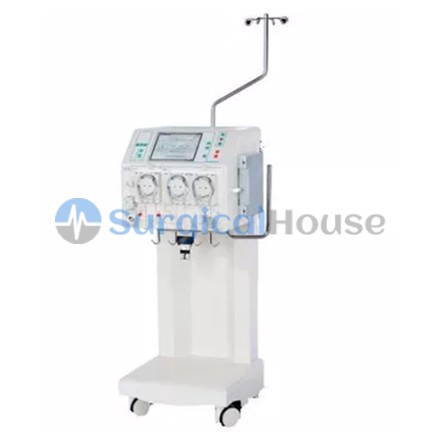
Dialysis machines are critical devices in the management of end-stage kidney disease. They work by removing waste products and excess fluid from the blood when the kidneys are no longer functioning optimally. While these machines have been lifesavers for many patients, optimizing their efficiency can lead to better patient outcomes. In this article, we will discuss how to optimize the efficiency of your dialysis machine for better patient outcomes.

For patients with end-stage kidney disease, dialysis is a lifeline. However, the success of dialysis treatment depends on the efficiency of the machine. By optimizing the efficiency of your dialysis machine, you can improve patient outcomes and enhance the quality of life for those undergoing dialysis.

Introduction

Dialysis is a crucial treatment for patients with end-stage kidney disease. It helps to remove waste products and excess fluids from the body, which the kidneys are unable to do. Dialysis machines are designed to perform this function and are used by patients regularly. However, optimizing the efficiency of these machines is essential for better patient outcomes. By doing so, we can ensure that patients receive the right amount of treatment, leading to improved overall health and well-being.

Understanding Dialysis Machines

Before we dive into optimizing the efficiency of dialysis machines, it’s essential to understand how they work. Dialysis machines use a process called hemodialysis, which involves removing blood from the patient’s body and running it through a filter called a dialyzer. The dialyzer helps to remove excess fluids and waste products from the blood before returning it to the patient’s body.

The machine is equipped with sensors that monitor the blood flow rate, pressure, and temperature during treatment. It also has safety features that alert healthcare professionals if there are any issues during treatment.

Steps to Optimize Dialysis Machine Efficiency

There are several steps that healthcare professionals can take to optimize the efficiency of dialysis machines. Some of these steps include:

Regular Maintenance:

Regular maintenance of the dialysis machine is critical to ensure that it is functioning correctly. It involves cleaning the machine and replacing worn-out parts, which can affect its performance.

Monitoring Dialysis Parameters:

Healthcare professionals should regularly monitor the dialysis parameters, such as the blood flow rate, pressure, and temperature. By doing so, they can identify any issues that may arise during treatment and adjust the machine’s settings accordingly.

Use High-Quality Dialyzers:

Dialyzers are a critical component of the dialysis machine, and using high-quality ones can help to optimize its efficiency. Healthcare professionals should choose dialyzers that have high clearance rates, low resistance to blood flow, and minimal protein loss.

Regular Water Quality Testing:

The quality of the water used in the dialysis machine is crucial, as poor water quality can affect the machine’s efficiency. Healthcare professionals should regularly test the water quality to ensure that it meets the required standards.

Patient Education:

Patient education is essential in optimizing the efficiency of dialysis machines. Patients should be educated on the importance of adhering to their treatment regimen, including attendance at all appointments, taking medications as prescribed, and adhering to dietary restrictions.

Benefits of Optimizing Dialysis Machine Efficiency

Optimizing the efficiency of dialysis machines has several benefits for patients with end-stage kidney disease. These benefits include:

Improved Patient Outcomes:

By optimizing the efficiency of the dialysis machine, patients can receive the right amount of treatment, leading to improved overall health and well-being.

Reduced Complications:

Complications such as infections, clotting of the dialysis catheter, and air embolisms can occur during dialysis treatment. Optimizing the efficiency of the dialysis machine can reduce the risk of these complications.

Satisfaction:

When patients receive the right amount of treatment, they are more likely to feel satisfied with their care, leading to increased patient satisfaction.

Cost-Effective:

Optimizing the efficiency of dialysis machines can be cost-effective in the long run. It can help to reduce the frequency of machine breakdowns and prolong the lifespan of the machine, leading to cost savings for healthcare facilities.

Satisfaction:

When patients receive the right amount of treatment, they are more likely to feel satisfied with their care, leading to increased patient satisfaction.

Cost-Effective:

Optimizing the efficiency of dialysis machines can be cost-effective in the long run. It can help to reduce the frequency of machine breakdowns and prolong the lifespan of the machine, leading to cost savings for healthcare facilities.

In Conclusion

In conclusion, optimizing the efficiency of dialysis machines is essential for better patient outcomes. Healthcare professionals should take steps to ensure that the machine is functioning correctly, including regular maintenance, monitoring dialysis parameters, using high-quality dialyzers, testing water quality, and patient education. By doing so, we can improve the quality of life for patients with end-stage kidney disease and ensure that they receive the best possible care.

We Provide Any Products, Any Brands
As Per Customers Requirements