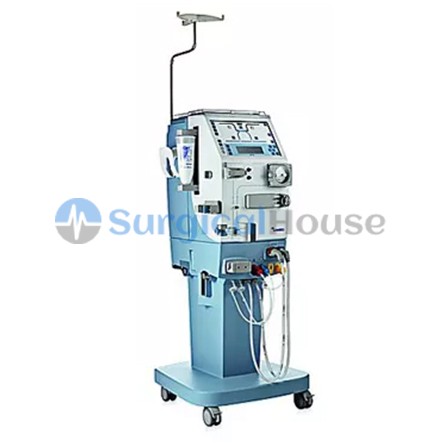
Dialysis is a life-saving treatment for people with kidney failure. But, it requires strict adherence to proper cleaning and disinfecting procedures to prevent infections and other complications. In this article, we will discuss the steps to clean and disinfect your dialysis equipment to ensure your safety and well-being.

Introduction

Patients with kidney failure rely on dialysis to remove waste and excess fluid from their blood. Dialysis machines are used to perform this process, and it is critical to keep them clean and disinfected to prevent the spread of infections. Proper cleaning and disinfection also help ensure the effectiveness of the dialysis treatment.

It is, therefore, essential to keep dialysis machines clean and disinfected to prevent infections and ensure the treatment’s effectiveness. In this article, we will explore why cleaning and disinfection are critical in dialysis treatment, how to clean and disinfect dialysis machines, and the benefits of using a professional cleaning service for dialysis clinics.

Why is Cleaning and Disinfecting Dialysis Equipment Important?

Dialysis is a life-saving treatment that is used to remove waste and excess fluid from the blood of patients with kidney failure. However, if the dialysis machine is not cleaned and disinfected properly, it can pose a significant risk to the patient’s health. A dirty dialysis machine can harbor harmful bacteria and viruses that can spread from one patient to another.

Infections can occur when bacteria and viruses enter the bloodstream through the catheter used during dialysis. Once in the bloodstream, these harmful pathogens can cause serious health complications, including sepsis and other life-threatening infections. That is why it is crucial to keep dialysis machines clean and disinfected to prevent the spread of infections.

Cleaning and disinfecting dialysis equipment is crucial for the following reasons:

  • Prevent the spread of infections such as Hepatitis B and C, HIV, and bacterial infections.
  • Ensure the effectiveness of the dialysis treatment.
  • Prolong the life of the dialysis equipment.
  • Maintain the quality of the dialysis treatment.

Step-by-Step Guide to Clean and Disinfect Dialysis Equipment

Follow these steps to clean and disinfect your dialysis equipment:

Step 1: Wash Your Hands

Before handling your dialysis equipment, wash your hands thoroughly with soap and water. This step helps prevent the spread of germs to your dialysis equipment.

Step 2: Prepare the Cleaning Solution

Prepare a cleaning solution according to the manufacturer’s instructions. Some manufacturers provide pre-packaged cleaning solutions, while others require you to mix the solution manually. Make sure to use the correct concentration of the cleaning solution to avoid damaging your dialysis equipment.

Step 3: Disassemble the Dialysis Equipment

Disassemble the dialysis equipment according to the manufacturer’s instructions. This step allows you to clean all parts of the equipment thoroughly.

Step 4: Clean the Dialysis Equipment

Using the cleaning solution, scrub all parts of the dialysis equipment thoroughly. Pay particular attention to areas that come into contact with your blood, such as the blood tubing and dialyzer. Use a soft-bristled brush to clean the hard-to-reach areas.

Step 5: Rinse the Dialysis Equipment

Rinse all parts of the dialysis equipment thoroughly with clean water to remove any residual cleaning solution.

Step 6: Disinfect the Dialysis Equipment

Prepare a disinfectant solution according to the manufacturer’s instructions. Make sure to use the correct concentration of the disinfectant solution to avoid damaging your dialysis equipment. Soak all parts of the dialysis equipment in the disinfectant solution for the recommended amount of time.

Step 7: Rinse the Dialysis Equipment Again

Rinse all parts of the dialysis equipment thoroughly with clean water to remove any residual disinfectant solution.

Step 8: Dry the Dialysis Equipment

Allow all parts of the dialysis equipment to air dry completely before reassembling it. Do not use a towel or any other material to dry the equipment, as it can introduce new germs.

Step 9: Reassemble the Dialysis Equipment

Reassemble the dialysis equipment according to the manufacturer’s instructions. Make sure all parts are in their correct positions.

Step 10: Perform a Quality Control Check

Before using the dialysis equipment, perform a quality control check according to the manufacturer’s instructions. This step ensures that the equipment is functioning correctly and is safe to use.

In Conclusion

Cleaning and disinfecting your dialysis equipment is crucial to prevent the spread of infections and ensure the effectiveness of the treatment.

By following these simple steps, you can ensure that your dialysis equipment is clean and disinfected, which can help to prevent infections and maintain the effectiveness of the treatment. It’s important to follow these cleaning and disinfection procedures regularly, as recommended by your healthcare provider or equipment manufacturer.

We Provide Any Products, Any Brands
As Per Customers Requirements