



Table of Contents
Share At:




Listen Article:
0:00 /
0:00
Demand and Supply for Dialysis Equipment in Europe
Table of Contents
The global dialysis market continues to grow as a result of both the growth in demand and the supply of dialysis machines. The European market has been a particularly good example of this, with both demand and supply of dialysis equipment increasing in recent years. It is therefore important for healthcare providers in the region to understand what drives these trends.
How Education Strategies Help in Dialysis Machine Demand and Supply?
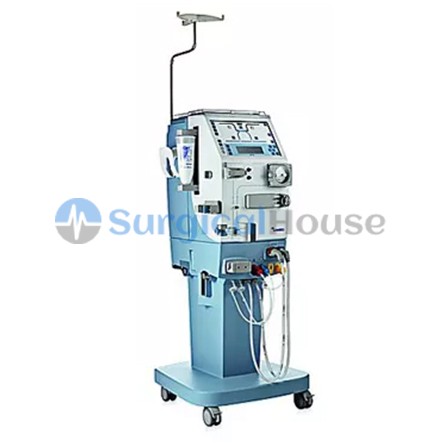
The population of people who require dialysis therapy continues to grow rapidly. This growth is a result of an increasing prevalence of diabetes and hypertension as well as toxic environmental exposures. However, current treatments have many shortcomings.
In order to improve outcomes, patient-centred innovations are needed. To do this, patient education must be strengthened. It is also important to avoid compromising quality of care. This can be done through shared decision-making. The aim of shared decision-making is to ensure that patients and families have unbiased information about the options available to them. It is the most favourable approach to determining an appropriate course of action for each individual.
In order to reduce infections, there are ongoing efforts to develop and implement strategies. However, these should not take a back seat to other clinical priorities. Achieving zero preventable infections is a priority for nephrologists.
A growing number of patients require kidney replacement therapy but are not receiving the care they need. This is often due to poor access and inadequate patient education. The patient’s social status, education, and wealth all play a role in the ability to access dialysis. In addition, patients with low educational and economic status may be more likely to be discriminated against.
It is essential that governments and health-care systems find a way to improve the value of dialysis care. In order to accomplish this, policies must be developed that provide evidence-based frameworks. They will need to work with medical professionals and authorities to develop trade-offs between cost and quality.
What is the Need of Proper Planning for Dialysis Machine Supply?
Today, we face numerous health challenges for patients on dialysis. Some of these include health literacy and access to care. Other factors such as the socio-economic status and citizenship of patients may also limit their ability to access dialysis.
As a result, many patients are not receiving the optimal care they need, and are often unable to access it. The current economic model of dialysis requires a shift to one that is more cost-effective. But in order to achieve this, policies will need to be revised.
First, a proper shared decision-making process is needed. This should avoid conflicts of interest, and should provide evidence-based information to patients and their families. It should also avoid coercion or manipulation.
Second, it’s important to identify trade-offs between cost and quality. This will involve consultation among authorities, and if needed, between medical professionals. But ultimately, the goal is to ensure that the highest quality of care is delivered to the widest number of patients at the lowest possible cost.
Finally, if you’re a hospital, you may consider hiring a company to help you deliver high-quality virtual care. These companies offer a range of services that can address patient education and adherence. They can also incorporate tools that monitor a patient’s condition, and include sensors for remote monitoring.
What Should be Strategy to Promote Best Practices in Dialysis?
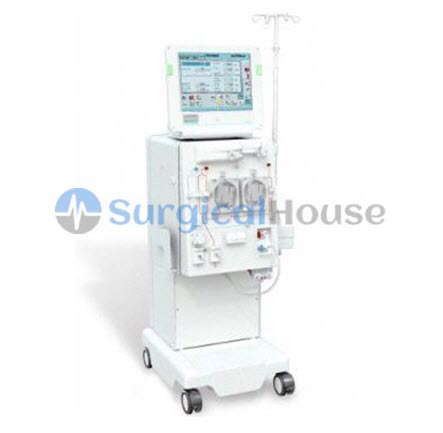
The European Kidney Health Alliance (EKHA) has worked on several initiatives to improve access to and quality of kidney care. It is a non-governmental organization dedicated to kidney patients and physicians. Its goals include promoting prevention of kidney disease, improving access to kidney transplantation, and decreasing the cost of kidney care. Its members include foundations, physicians, and nurses.
The cost of dialysis is a big concern, especially when you consider the number of people on dialysis. In many parts of the world, it is hard to find an appropriate treatment that is affordable. Increasing life expectancy means the number of patients is growing, so the costs are likely to increase as well.
A number of initiatives have been implemented to promote the best practices in dialysis, such as using social media and invited lectures. However, a better approach to addressing the issue may be to develop evidence-based frameworks that can be easily translated to local contexts.
A good example is the AAKH, which aims to encourage a transition from in-centre haemodialysis to home therapies. The initiative includes incentives for nephrology care teams, a system for rewarding clinicians, and a directive for education programmes.
Another example of a patient-centric innovation is the in-centre self-dialysis system. This is also known as empowered haemodialysis, and originated in Sweden. It combines the advantages of traditional haemodialysis with the convenience of home treatments.
However, there is no one single solution to address the issues of cost and access. Rather, we need to develop and implement a number of strategies that focus on the most important priorities. This requires top-down and bottom-up approaches.
What are the Benefits of Dialysis Therapy, and Its Increasing Demand?
When considering the costs and benefits of dialysis therapy, it is important to look at the health of the patient. Many patients with kidney failure face several health challenges, such as hypertension, a high risk for cardiovascular diseases, and multimorbidity’s. Moreover, they have decreased self-image and health-related quality of life.
The global dialysis population continues to grow. This growth is due to a combination of factors, including increased prevalence of diabetes, hypertension, and toxic environmental exposures. As the population of dialysis patients grows, so does the cost of treatment.
The current economic model for dialysis requires a rethinking. This will require a more ethical consensus. To achieve this, policy action is needed. Specifically, there must be more research on the effectiveness of newer treatment strategies. The development of new technologies for dialysis can lead to improved outcomes for patients and providers. Despite these improvements, there are still some shortcomings.
Access to dialysis is a key issue. It is influenced by socio-economic status, education, health literacy, and citizenship. Several regions also have varying approaches to organizing care. For example, some countries have a high incidence of long-term dialysis, while others do not. In addition, differences in race and gender can also limit dialysis access.
Although dialysis therapy has undergone significant changes in the past fifty years, there are some shortcomings. These shortcomings may be addressed through innovations. Rather than focusing on technological advancements, though, such innovations should be tailored to meet the specific needs of patients.
In order to increase accessibility, governments should prioritize providing appropriate dialysis at a reasonable cost. This requires closer cooperation with medical professionals and other authorities. To do this, evidence-based frameworks must be developed, and these can be tailored to local needs.
Final Thoughts
The cost of dialysis is considerable. It is particularly high in hospitals and centres. Furthermore, the costs of dialysis are increasing due to the rising life expectancy of patients. These trends are concerning globally. Despite these advances, there is a growing need for innovations to improve the quality and value of dialysis care.
As a result, it is necessary to re-evaluate the economic model of dialysis. The goal should be to provide adequate treatment for patients at the lowest possible cost. In the meantime, policy action is needed to establish evidence-based frameworks that will enable proper shared decision-making. This type of decision-making should avoid coercion or manipulation.
One of the most important ethical issues in the management of kidney failure is access to appropriate treatment. In some cases, conservative care is required to preserve resources. However, for the majority of patients, a more comprehensive approach to treatment is necessary.
Among other important issues, it is essential to understand the cost-effectiveness of new therapies and the value of current innovations. For example, an inexpensive system that uses solar power and purified water to produce dialysis solutions is an innovative solution to the problem of accessing affordable and high-quality dialysis.
Ultimately, however, the true innovation must be patient centred. This means that health systems must consider the needs of their communities, and provide the appropriate care at the lowest cost.



