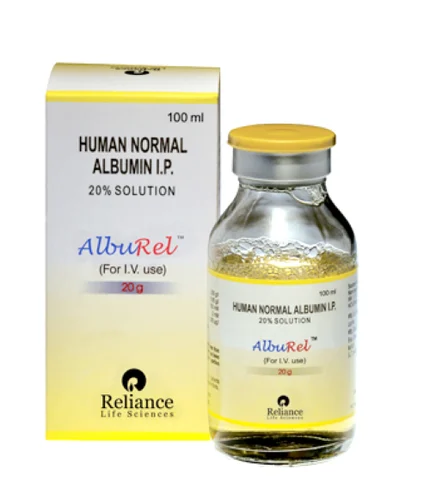
What are the Benefits of Human Albumin Injection in Treating Ascites?
Several significant clinical trials have been carried out to investigate the role of human albumin injections in ascites. These reliable studies have demonstrated the benefits of this treatment in reducing the formation of ascites, improving circulatory function and reducing the risk of refractory ascites. However, more studies are needed to determine the indications and contraindications of this treatment.
Albumin is the most abundant protein in human plasma. It plays a crucial role in fluid distribution and regulating plasma pressure. It is believed that albumin infusions reduce ascites formation in patients with cirrhosis.
Researchers have found that chronic albumin treatment reduced the risk of refractory ascites by 38 percent..
Albumin treatment also reduced mortality rates from hepatorenal syndrome. This condition is characterized by severe vasoconstriction of the renal and vascular systems. In addition, a high blood urea nitrogen level is a hallmark of this condition.
Precautions to Take While Administering Human Albumin Injection
Medicinal products prepared from human plasma may carry infectious agents and may transmit bacterial, viral and other pathogenic agents. In order to reduce the risk of transmission, plasma donors are screened for infectious agents.
The risks of transmission have been reduced through the pasteurization and screening of donated plasma. During manufacturing, ALBUMIN (HUMAN) 20% is inactivated by removing viruses from the plasma. In addition, testing is performed for current virus infections.
Albumin is a protein solution which is produced from human plasma. It is used in the treatment of a variety of conditions including acute liver failure, nephrotic syndrome, and hypoproteinemia with or without edema. It is also used to increase blood plasma volume. In addition, it is approved for burn therapy and ARDS.
Albumin is prepared using the Cohn process. It is supplied in 12.5 g and 25.0 g single-use bottles. It is stabilized with 0.02 M sodium acetyltryptophanate.