



Table of Contents
Share At:




Listen Article:
0:00 /
0:00
Thermal Disinfectant (5L) in Norway: Preventing Biofilm Risk through Consistent Thermal Disinfection Cycles
Table of Contents
Thermal Disinfectant (5L) in Norway: Biofilm Risk through Disinfection Cycles
In Norway, ensuring the proper disinfection of medical devices, especially dialysis machines, is crucial in maintaining patient safety and preventing infections. Biofilms, which form on medical equipment, pose significant health risks to patients, particularly in dialysis treatments. Consistent and effective disinfection cycles using a thermal disinfectant are key in eliminating harmful microorganisms, including bacteria, viruses and fungi that can form biofilms. This article delves into the importance of thermal disinfectants, particularly in the context of dialysis machines and how their consistent use plays a pivotal role in safeguarding patient health.
Call Now for Immediate Assistance
 Call Us Now!
Understanding Thermal Disinfectants in Norway's Healthcare Setting
Thermal disinfectants are increasingly being used in Norway for the disinfection of dialysis machines due to their effectiveness in eradicating harmful microorganisms that may be resistant to chemical disinfectants. The use of a disinfectant solution for hospitals ensures that all surfaces of dialysis equipment are properly sterilized, thus preventing cross-contamination between patients. The key benefit of thermal disinfection is its ability to achieve high temperatures that are lethal to bacteria, viruses and fungi, effectively addressing the risk of biofilm formation, which can often be resistant to traditional chemical disinfectants.
Thermal disinfection cycles rely on controlled heating of water or disinfectant solutions to reach temperatures that are typically between 80 to 90°C. These temperatures are maintained for a specified duration to ensure that all surfaces, including those that are difficult to reach, are thoroughly disinfected. The thermal disinfectant for dialysis machine models is particularly beneficial as it ensures the machine is safe to use for future patients, reducing the likelihood of hospital-acquired infections.
The Importance of Dialysis Disinfectant Solution in Biofilm Prevention
Dialysis machines, when not adequately disinfected, can become breeding grounds for biofilms. Biofilms are clusters of bacteria and other microorganisms that attach to surfaces, making them more difficult to remove. This is a serious concern in Norway, where healthcare facilities, including dialysis centers in cities such as Oslo, Bergen and Stavanger, must comply with strict hygiene protocols. Dialysis disinfectants are specifically designed to target and break down these biofilms, ensuring that all equipment used in the treatment of patients remains sterile.
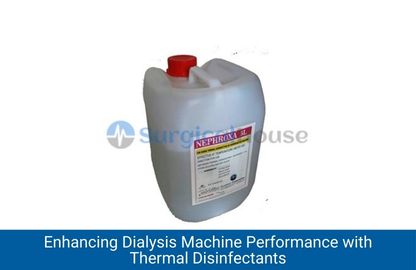
In addition to preventing the formation of biofilms, a dialysis disinfectant solution is also essential for ensuring that the patient’s blood does not come into contact with any harmful pathogens during treatment. The consistent application of dialysis machine disinfection cycles using thermal disinfectants ensures that the machines are not only cleaned but sterilized to the highest standard, minimizing any risk of infection transmission.
Our Other Products
Formalin Solution (Formaldehyde Solution)Hydrogen Peroxide Liquid Dialysis Disinfectants: A Key Player in Dialysis Machine Hygiene
Hydrogen peroxide liquid dialysis disinfectants are one of the most effective solutions used in the thermal disinfection of dialysis equipment in Norway. Hydrogen peroxide is an oxidizing agent that disrupts the cell walls of bacteria and other microorganisms, killing them effectively. When used in conjunction with thermal disinfection cycles, hydrogen peroxide ensures a deep clean by penetrating into the smallest crevices of the dialysis machine, further protecting patients from the risks associated with biofilms and other harmful pathogens.
Many healthcare providers in Norway, including dialysis centers and hospitals, rely on hydrogen peroxide liquid dialysis disinfectants to maintain high standards of hygiene in their machines. These solutions are highly regarded for their efficacy, particularly when used as part of a machine disinfection protocol for hemodialysis and other types of dialysis treatments.
Role of Citrosteril Liquid Disinfectant Suppliers in Norway
Another critical element in the disinfection of dialysis equipment in Norway is the role played by suppliers of citrosteril liquid disinfectants. Citrosteril, a proven disinfectant used in dialysis, offers an additional layer of protection against bacterial and viral contamination. It is particularly effective for machine disinfection in dialysis units as it is gentle on the sensitive components of the machines while still achieving high levels of sterilization.
In Norway, where stringent infection control standards are set by the government and healthcare authorities, citrosteril liquid disinfectant suppliers play an important role in ensuring that dialysis centers have access to reliable and safe disinfectants. By maintaining high standards of product quality and safety, these suppliers ensure that medical facilities can adhere to best practices for dialysis machine disinfection, which is essential in preventing infections such as blood-borne viruses or bacterial infections.
High-Level Disinfectants for Dialysis Machines: Maintaining Sterility
High-level disinfectants for dialysis machines are critical to maintaining patient safety in healthcare facilities in Norway. These disinfectants not only remove visible dirt and debris but also ensure that harmful pathogens are eliminated to the highest standards. In a country like Norway, where healthcare is highly regulated, the use of high-level disinfectants for machine disinfection in dialysis centers is a non-negotiable practice.
Thermal disinfectants, combined with high-level disinfectants such as hydrogen peroxide liquid dialysis disinfectants or citrosteril solutions, work synergistically to ensure that the equipment is free from harmful microorganisms. The disinfection of hemodialysis machines, in particular, requires adherence to strict protocols as the stakes are high in terms of patient health. Thermal disinfection cycles are often recommended as part of the disinfection protocol for hemodialysis machines, ensuring the highest level of sterility and preventing infection transmission.
Consistency in Thermal Disinfection Cycles: Key to Infection Prevention
One of the most important factors in preventing biofilm formation and ensuring the safety of dialysis patients is consistency in the disinfection process. Regular thermal disinfection cycles are essential in maintaining the sterility of dialysis machines. In cities across Norway, including Trondheim, Drammen and Tromso, hospitals and dialysis centers prioritize maintaining regular disinfection schedules to prevent the growth of biofilms on machines.
The consistency of the disinfection cycles is just as important as the effectiveness of the disinfectant itself. A single missed disinfection cycle or an improperly conducted cycle can result in the buildup of harmful microorganisms, increasing the risk of infections. This is why healthcare professionals in Norway rely on thermal disinfectants as part of a well-established, repeatable disinfection protocol that ensures high standards of hygiene.
Our Other Products
Cold Sterilant Solution for Dialysis EquipmentThe Role of Machine Disinfection in Dialysis: Patient and Healthcare Worker Safety
Machine disinfection in dialysis is not only important for patient safety but also for the protection of healthcare workers who operate the machines. Cross-contamination from inadequately disinfected equipment can lead to the spread of infections within the healthcare setting. Dialysis centers in Norway must ensure that every piece of equipment is thoroughly cleaned after each use to minimize the risks of cross-contamination.
Thermal disinfectants, when used correctly in conjunction with other disinfectant solutions like hydrogen peroxide or citrosteril, offer a comprehensive solution to machine disinfection in dialysis. By implementing a rigorous disinfection process, hospitals and clinics can reduce the chances of healthcare-associated infections (HAIs) and ensure that both patients and healthcare workers remain protected.
Email Our Team to Discuss Your Requirements
 Email Us
Conclusion
In Norway, the use of thermal disinfectants in dialysis machine is a vital practice in preventing biofilm formation and safeguarding patient health. With the increasing prevalence of infections in healthcare settings, ensuring that dialysis machines are disinfected thoroughly and consistently is essential. By utilizing thermal disinfectants like hydrogen peroxide liquid dialysis disinfectants and citrosteril solutions, dialysis centers can maintain the highest levels of hygiene and prevent infections from spreading. As technology and disinfection protocols continue to evolve, Norway’s healthcare facilities are at the forefront of ensuring patient safety through the use of advanced disinfectant solutions and thermal disinfection cycles.
FAQs on Thermal Disinfectant (5L)
Thermal disinfectants are used to sterilize dialysis machines at high temperatures, preventing biofilm formation and ensuring patient safety.
Hydrogen peroxide disrupts the cell walls of harmful microorganisms, effectively killing them and ensuring thorough sterilization of dialysis machines.
Regular disinfection cycles help eliminate harmful microorganisms, preventing the buildup of biofilms that can cause infections.
Citrosteril disinfectant is effective against bacteria and viruses, ensuring thorough disinfection without damaging the dialysis machine components.
Inadequate disinfection can lead to the spread of infections, including blood-borne viruses, which can be harmful to both patients and healthcare workers.



