



Table of Contents
Share At:




Listen Article:
0:00 /
0:00
General Dialysis Products Manufacturer and Supplier: How Choosing the Right Supplier Enhances Healthcare Delivery
Table of Contents
Premium Dialysis Products Manufacturer and Supplier:
This article aims to provide an in-depth overview of dialysis products and their critical role in kidney care, focusing on the various types of dialysis consumables, manufacturing standards, and the importance of reliable suppliers in the healthcare sector. It will also highlight the global demand for dialysis products, especially from NEPHROXA, a leading dialysis consumables manufacturer in India, and Shubham Corporation, the parent company behind this trusted brand.
What is Dialysis and the Role of Dialysis Products?
What is Dialysis and Why is it Essential for Patients with Kidney Failure?
Dialysis is a medical treatment that performs the critical functions of the kidneys when they are no longer able to do so on their own due to chronic kidney disease (CKD) or acute kidney failure. The kidneys’ main role is to filter waste products, excess fluids, and toxins from the blood. When these organs fail, dialysis steps in to perform these functions artificially.
Dialysis is a medical treatment that performs the critical functions of the kidneys when they are no longer able to do so on their own due to chronic kidney disease (CKD) or acute kidney failure. The kidneys’ main role is to filter waste products, excess fluids, and toxins from the blood. When these organs fail, dialysis steps in to perform these functions artificially.
We'll Get Back to You Fast!
Get in Touch
Dialysis Treatments Overview: Hemodialysis vs. Peritoneal Dialysis
There are two primary types of dialysis: hemodialysis and peritoneal dialysis.
- Hemodialysis involves the use of an artificial kidney (dialyzer) to filter the blood outside the body. This process typically requires a patient to visit a dialysis center multiple times a week.
- Peritoneal dialysis involves the use of the patient’s abdominal lining (peritoneum) as a natural filter. A dialysis solution is introduced into the abdomen to absorb waste products, after which it is drained out. This type of dialysis can be performed at home, making it more flexible for patients.
Both types of dialysis require a variety of dialysis products to ensure the treatment’s effectiveness, such as dialyzers, catheters, bloodlines, and concentrates.
Dialysis Products Types
Dialysis treatment is dependent on a wide range of consumables and equipment, each of which plays a specific role in ensuring the treatment is effective and safe for patients. Below is an overview of key dialysis products commonly used during treatment:
Liquid Acid Concentrates
Liquid Acid Concentrates are a vital component in hemodialysis treatments. These concentrates help balance the acid-base levels in the blood, aiding in effective blood purification. They are used in conjunction with bicarbonate in dialysis machines, ensuring that the body maintains its natural pH balance.
Dry Citrate Powder
Dry Citrate Powder is used in dialysis solutions to help control the acidity and maintain appropriate blood calcium levels. It is especially important in patients who are at risk of developing calcium buildup, which can complicate dialysis treatment.
Bicarbonate Concentrate
Bicarbonate Concentrates are used to create the dialysate fluid that circulates through the dialyzer during hemodialysis. This concentrate helps remove toxins by balancing electrolytes and maintaining the proper pH level in the blood.
Bicarbonate Cartridge
Bicarbonate Cartridges are pre-filled containers used for the preparation of dialysate during hemodialysis. They simplify the dialysis process by ensuring that the correct amount of bicarbonate is consistently available for treatment, reducing the risk of error during dialysis preparation.
Dialysis Disinfectants
Dialysis Disinfectants are crucial for sterilizing dialysis equipment, including dialyzers and bloodlines, to prevent infections. Maintaining a sterile environment is essential in preventing dialysis-associated infections, which can lead to serious complications in patients.
Hemodialysis Catheter Kit
Hemodialysis Catheter Kits include the necessary components for establishing a reliable and secure access point for dialysis. These kits typically contain a catheter, needles, and connectors, ensuring that the dialysis machine can safely remove and return blood during treatment.
Trisodium Citrate 4% & Flush Syringes
Trisodium Citrate 4% solutions are used to maintain proper blood flow through dialysis catheters, helping to prevent clotting. The flush syringes are part of a routine procedure to ensure that dialysis lines remain open and functional during the treatment process.
Dialyzer
A dialyzer is a critical component in hemodialysis treatment, functioning as an artificial kidney. It filters waste products and excess fluids from the blood. The quality and efficiency of the dialyzer are vital in ensuring the effectiveness of dialysis.
Bloodline Set
Bloodline Sets are used to connect the patient’s bloodstream to the dialysis machine. These disposable sets are designed for optimal blood flow and are vital in ensuring that blood circulates efficiently through the dialyzer, enabling waste removal and fluid regulation.
AV Fistula Needle
The AV fistula needle is used for creating access to a patient’s vascular system during hemodialysis. The needle is inserted into an arteriovenous fistula (a surgically created connection between an artery and a vein), enabling efficient blood flow for dialysis.
Dressing Kits for Dialysis
Dressing Kits for Dialysis are used to cover the access points after dialysis treatments. They help prevent infections and ensure that the catheter or fistula site remains sterile between sessions. These kits are integral to the overall safety and hygiene of the dialysis process.
Dialysis Product Manufacturing Quality Standards
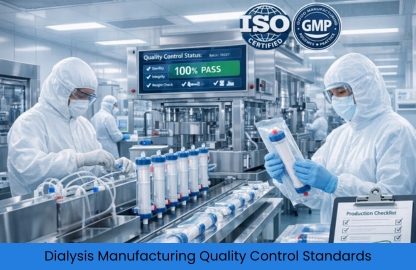
ISO, GMP, and Other International Quality Standards
Dialysis products are subject to strict manufacturing standards to ensure patient safety. ISO certification guarantees that products meet international quality benchmarks, while Good Manufacturing Practices (GMP) ensure the products are made in controlled, clean environments to prevent contamination.
Dialysis Products Sterile Manufacturing
Sterility is paramount in dialysis product manufacturing. Given that dialysis patients are at a higher risk for infections, ensuring that products are sterilized and contamination-free is essential. Dialysis products must be manufactured and packaged in sterile conditions to protect patients during treatment.
Speak With an Expert
 CALL US NOW
How Dialysis Products Are Made?: A Behind-the-Scenes Look
Dialysis Consumables Manufacturing Raw Materials
The manufacturing of dialysis products involves a range of high-quality raw materials, such as medical-grade plastics, biocompatible materials, and specialized chemicals. These materials are selected to ensure that the products can withstand the harsh conditions of medical treatments and maintain their effectiveness.
Dialyzers, Bloodlines, and Other Consumables Production Process
The production of dialysis products involves several critical steps, from molding plastic parts to assembling complex systems like dialyzers and bloodline sets. Precision manufacturing is essential to ensure that each product is functional, safe, and consistent.
Technology and Innovation in Manufacturing Processes
Advancements in manufacturing technologies, such as 3D printing and automation, are transforming the way dialysis products are made. These technologies improve the accuracy, efficiency, and quality of dialysis products, ensuring that patients receive the best care possible.
Our Other Products
Bloodline System AccessoriesDialysis Consumables Supplier’s Role in the Healthcare Industry: Ensuring Reliability and Timely Supply
Reliable Dialysis Product Suppliers Importance for Hospitals and Clinics
Reliable suppliers ensure that dialysis centers have a consistent stock of the necessary products, reducing the risk of treatment delays. By offering timely deliveries and ensuring product availability, suppliers help clinics maintain uninterrupted dialysis care for patients.
Supply Chain Management and Logistics in the Healthcare Sector
Supply chain management in the healthcare sector is crucial for ensuring that medical supplies, including dialysis products, are available when needed. This includes inventory management, warehousing, transportation, and distribution to hospitals, clinics, and home care patients.
How Dialysis Products Timely Delivery Affects Patient Care?
Timely delivery of dialysis consumables directly affects patient outcomes. Delays in receiving necessary products can result in treatment disruptions, potentially compromising patient health and the effectiveness of their dialysis regimen.
Right Dialysis Product Manufacturer and Supplier
Shubham Corporation: A Trusted Name in Dialysis Products
Shubham Corporation, the parent company of NEPHROXA, is a renowned manufacturer and supplier of high-quality dialysis products. With years of experience in the field, Shubham Corporation has built a reputation for reliability, product innovation, and excellent customer service.
Read Our Article
Dialysis Products Manufacturing and Exporting Company from IndiaDialysis Products Supplier: Factors to Consider When Selecting
When choosing a dialysis products supplier, factors such as product quality, certifications, and reputation should be prioritized. It is essential to select a supplier with a wide range of products that meet international standards and regulations.
Why Reputation Matters in the Dialysis Industry?
In the dialysis industry, a supplier’s reputation is vital. Trust is built on consistent quality, product reliability, and customer service. NEPHROXA and Shubham Corporation have built long-term partnerships with healthcare providers by consistently delivering high-quality products.
Why Dialysis Centers Prefer Trusted Dialysis Consumables Suppliers?: Long-term Partnerships?
Long-term partnerships with trusted suppliers like NEPHROXA ensure that dialysis centers have a consistent supply of high-quality products, which is critical for patient care. These partnerships foster reliability, transparency, and continuous support.
Our Other Products
Dialysis ConcentratesDialysis Products: Globally Growing Demand
Statistics and Trends in the Dialysis Market Worldwide
The global demand for dialysis products has surged due to the rising prevalence of kidney disease. According to global health reports, millions of people worldwide suffer from chronic kidney disease, leading to an increasing need for dialysis consumables and disposable medical supplies.
Increasing Kidney Disease Prevalence and Its Impact on Product Demand
With the rise in diabetes, hypertension, and aging populations, kidney disease is becoming more prevalent. This trend is expected to continue, driving demand for dialysis consumables manufacturers to meet the needs of healthcare providers.
Emerging Markets and Opportunities for Dialysis Product Suppliers
Emerging markets in Asia, Africa, and Latin America present significant opportunities for dialysis product suppliers. With increasing healthcare access and awareness, these regions are witnessing a growing demand for reliable, cost-effective dialysis products.
Start a Chat on Whatsapp - We are Available!
 WHATSAPP Us
Our Other Products
Dialysis ConcentratesFAQs on Hemodialysis Products Supplier in India
Dialysis products, such as dialyzers and bloodline sets, are used to filter waste from the blood in patients with kidney failure. They are crucial for hemodialysis and peritoneal dialysis treatments.
Dialysis products include dialyzers, bloodline sets, dialysis catheters, bicarbonate concentrates, disinfectants, and fistula needles, among others.
Dialysis products are made from high-quality, biocompatible materials. They are assembled, sterilized, and tested to ensure safety and reliability before packaging.
Dialysis products must comply with ISO 13485, GMP, and other regional health regulations to guarantee safety and performance.
A trusted supplier ensures the timely delivery of high-quality products, minimizing treatment delays and ensuring patient safety.
Suppliers use sterilization methods like gamma radiation or ethylene oxide, with sealed packaging to keep products sterile until use.
Consider product quality, regulatory compliance, the supplier’s reputation, delivery reliability, and customer support when selecting a supplier.
The demand for dialysis products is rising globally, driven by the increasing prevalence of kidney diseases, particularly in aging populations and emerging markets.



